



Columnist
Jiwon Do CSR Team
Editor's Note
I tend to put a question mark on just about everything. Once I start thinking, I can’t even let a single advertising slogan pass by without a second look. Because of this, people around me often tell me I think too much — but I find this curiosity of mine quite fun.
In this column, I’d like to follow those small question marks I keep discovering in everyday life. Looking at various examples across language and expression, products and services, and brands and society, I’ll try turning familiar standards upside down, just once. I’ll share stories about DEI (Diversity, Equity, Inclusion) that aren’t too difficult or heavy — the kind that leave you seeing the world around you through slightly different eyes once you’ve finished reading.
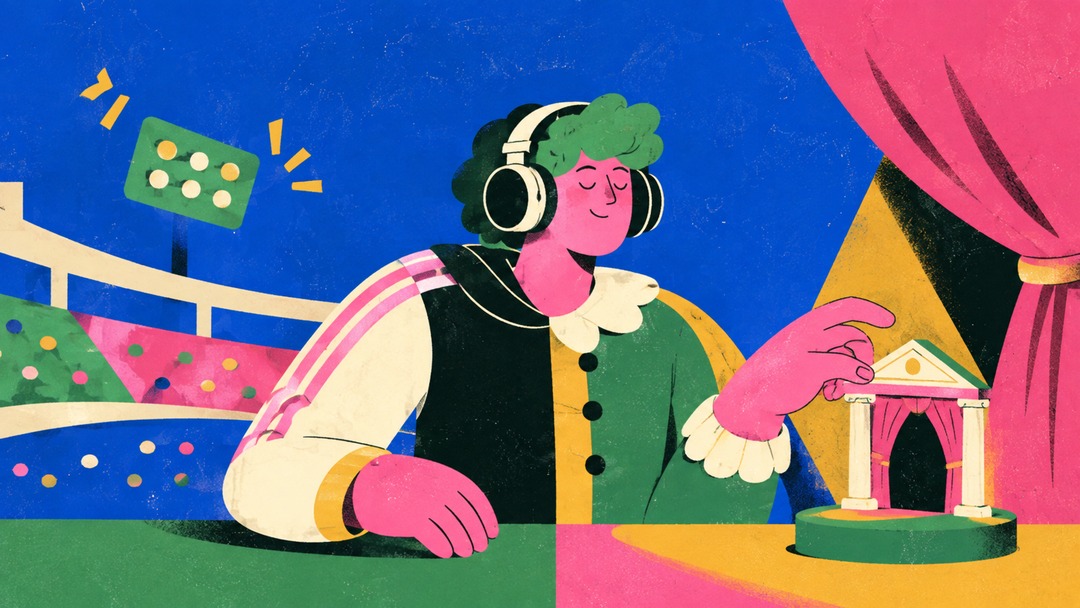
<Source: AI-generated image>
#INTRO
What Does “Enjoying” Look Like?
Korean professional baseball has entered the 10-million-fan era. The ballpark is now more than a place to go and watch a game; it has become a place to cheer together, eat, enjoy ourselves, and make memories. However, as more people come to the ballpark, not everyone experience the game the same way. With the number of fans growing quickly, are the ways of welcoming them becoming just as varied? Today, from sensory rooms at the ballpark to touch tours at the theater and ‘Modeun Gabang’ at the museum, I’ll look at how spaces and experiences are changing so that each of us can enjoy culture and leisure in our own way.
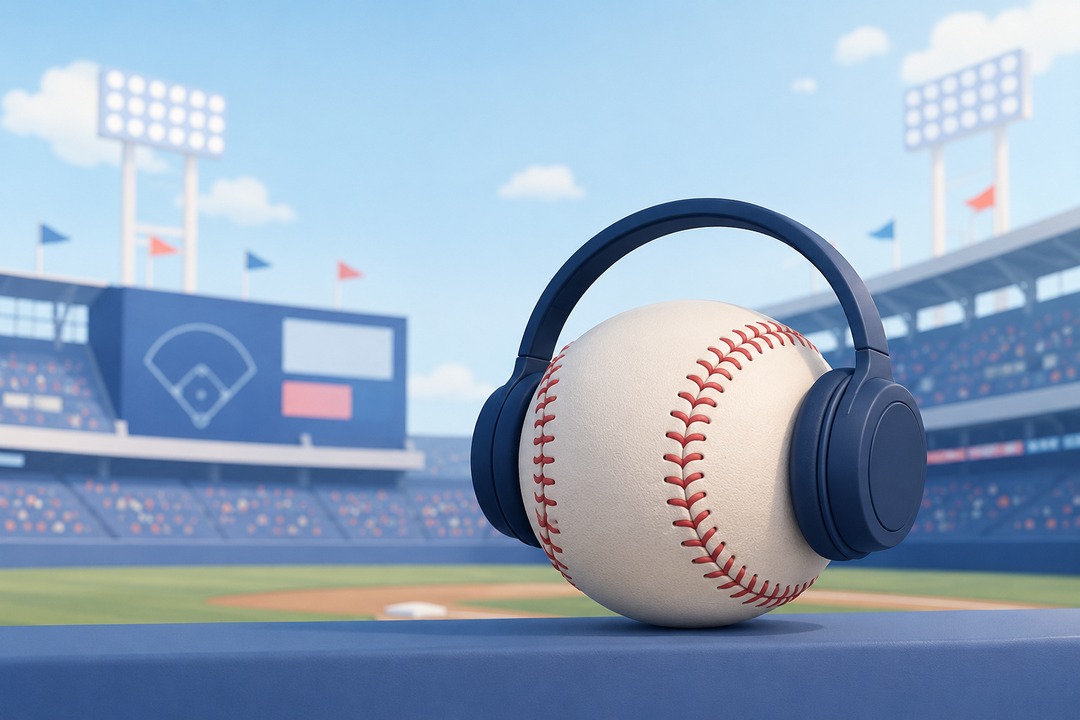
<Source: AI-generated image>
If You Could Step Away from the Noise of the Ballpark for a Moment
Chants and the roaring shouts of the crowd are an essential part of the ballpark. The music that plays when a home run is hit, the fast-moving scoreboard and lights, and the noise of tens of thousands of fans all make the stadium atmosphere electric. However, enjoying that passionate atmosphere does not mean every fan must be able to withstand the same level of stimulation.
At sports venues overseas these days, it is not hard to find a sensory room where fans can take a break from the stimulation without giving up on the game. The home ballpark of Major League Baseball’s Kansas City Royals has two sensory rooms and eight quiet areas. Fans can borrow a sensory bag whenever they need one, containing items such as noise-canceling headphones, a fidget toy, a weighted lap pad, and verbal cue cards.
In 2025, the Minnesota Twins, based in Minneapolis-Saint Paul, opened a new sensory room for neurodivergent fans at Lee Health Sports Complex, their spring training ballpark. Target Field, their regular-season home, also has a sensory room, along with a separate outdoor area where fans can regulate stimulation while watching the field. With spaces like these, fans can move somewhere quiet for a while during the game and then return to their seats, or watch the game wearing headphones. Rather than accepting that loving baseball means enduring overwhelming noise, fans can now choose an experience tailored to their sensory needs.
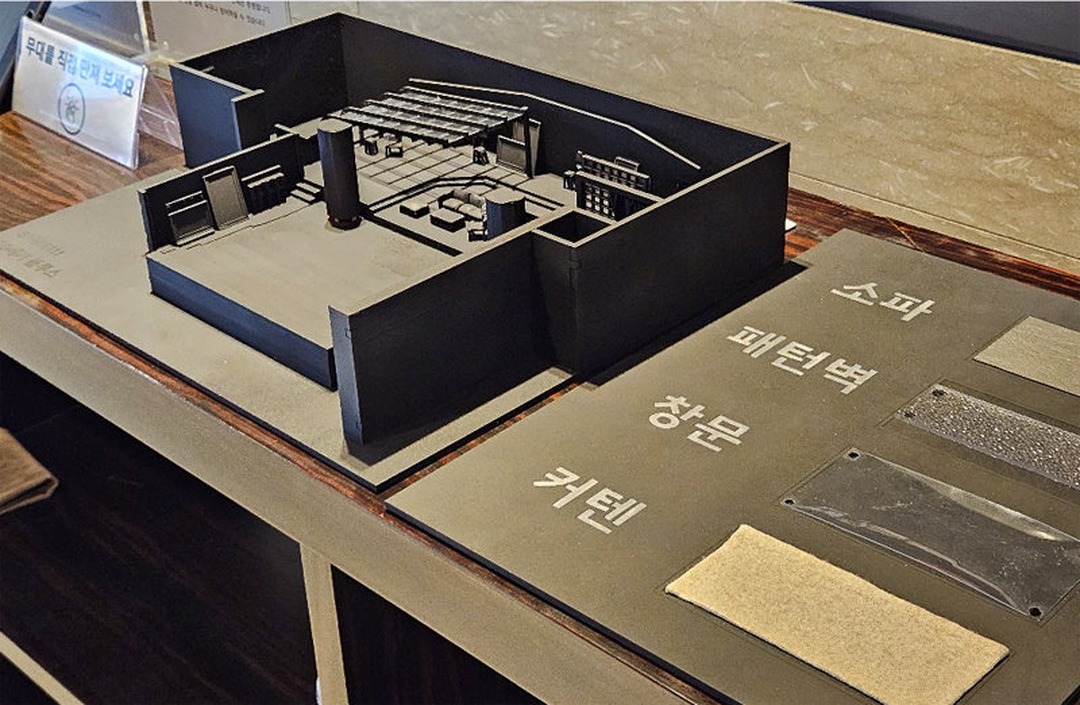
<A scale model of the actual stage of the play 20th Century Blues, made so that blind and low-vision audience members can examine the stage design by touch> Source: Doosan Art Center
Does a Stage Have to Be Seen Only with the Eyes?
If sensory rooms at the ballpark expand the options for “where to watch,” accessibility services at the theater raise the question of “which senses to watch with.” Is the performance we naturally say we “see” really an art experienced only through the eyes? When watching a play, the audience takes in not only the dialogue but also a great deal of visual information, such as the size and structure of the stage, the actors’ movements, the lighting, and the costumes and props. Much can be understood naturally just by seeing the scene on stage, with no separate explanation. However, if a performance offers only visual information, there is bound to be a gap in what reaches blind and low-vision audience members.
Doosan Art Center offers touch tours for blind and low-vision audience members at some performances. A touch tour helps audience members understand a production’s space and visual information before the performance by letting them explore a model of the stage, the set, props, costumes, and the like by touch. Depending on the performance, it may use the actual stage or a specially made stage model and props. Beyond touch tours, the center also offers a range of accessibility services, which vary by performance, including pre-show audio introductions, Korean captioning, sign language interpretation, and guided assistance.
We have long said that we “see” a performance. However, a performance does not have to be experienced through one sense alone. Touch tours further broaden the meaning of “viewing” that we have taken for granted, and make us consider what careful thought goes into creating a stage where the same work can be experienced through different senses.
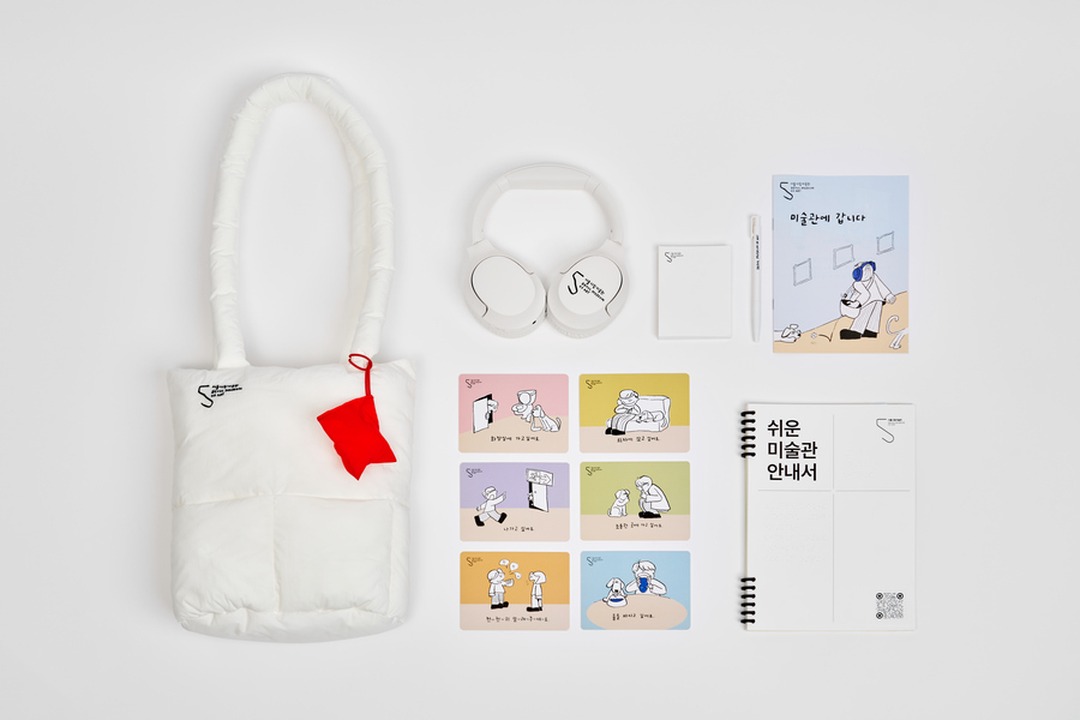
<Image of Modeun Gabang> Source: Seoul Museum of Art
From a “Sensory Bag” to a Viewing Tool for Everyone
In 2025, the Seoul Museum of Art (SeMA) ran the Inclusive Project, bringing together participants with and without disabilities to tour the museum and examine firsthand the inconveniences people encounter during a visit. They looked not only at the moment of viewing a work but also at the whole process of finding their way through the galleries, understanding the works, and asking for the help they needed. After seven sessions in which participants shared ideas and held discussions, the result was Modeun Gabang (Modeun means “all” and Gabang means “bag”). The bag holds several tools to help visitors use the museum more comfortably. They include a sensory map to check the sensory characteristics of the exhibition spaces in advance, an easy-read guide to make the works easier to understand, and communication cards to use when it is hard to ask for help in words. The bag also includes a noise-reducing headset and a fidget keyring to ease tension or help focus. The components were designed to complement one another, so they can be used alone or together as needed.
In September 2025, SeMA formally introduced the bag as a viewing tool that is available to borrow anytime. It also runs accessibility services so that a wide range of visitors, including people with disabilities as well as older adults, infants, and young children, can use the space more comfortably. What is especially notable about Modeun Gabang is that the museum did not decide unilaterally which tools were needed; it invited actual visitors into the design process as participants. Because the museum regarded users not as mere recipients of support but as agents who create the answers together, Modeun Gabang can be seen as a case of co-design (designing with the people concerned) put into practice in a cultural space.
#OUTRO
Ensuring the Ways We Experience Baseball Are as Diverse as the Crowd
More than 10 million fans now come to pro baseball games. That means more people are enjoying baseball, but it may also mean that the people coming to the ballpark, and what they need, have become just as varied. Now, alongside the growth in the number of fans, it is time to talk about the growth in the ways people can take part.
The next time you visit a place where many people gather, such as a ballpark, a theater, or a museum, take a moment to look around. How many different “ways to enjoy” are on offer here?
References
• Kansas City Royals: Sensory Room
• Minnesota Twins: Sensory Room
• Doosan Art Center: 20th Century Blues Performance and Accessibility Information
-
Like
0 -
Recommend
0 -
Thumbs up
0 -
Supporting
0 -
Want follow-up article
0