



Columnist
Juyoung Reu LANEIGE BD Team
Editor's note
Beauty has always been directed toward people.
For a long time, beauty remained in the realm of ‘the visible.’
Color and form, proportion and perfection.
We grew accustomed to discussing what was prettier, what was more refined.
Beauty was something judged by the eye, and its standards always lay outside ourselves.
But over time, the question gradually began to shift.
From what is beautiful,
to how we treat one another.
A single standard could no longer explain beauty.
For some, it became an extravagance;
for others, comfort became beauty.
What created this difference wasn’t perception—it was the experience of relationships.
Culture shaped the language of beauty,
technology expanded its boundaries,
and time taught us the necessity of rest.
Through all these currents, beauty moved increasingly toward people.
At the end of this journey,
the question that remained was simpler and clearer than expected.
“So how are we treating each other?”
Beauty ultimately turns toward people.
It comes to resemble people, and only finds completion between people.
This final essay began again from the simplest yet most difficult curiosity.
1 The Aesthetics Before Relationship: An Era of Standards and Objects

Source: https://rusticrealities.wordpress.com/
There was a time when beauty was a matter of standards.
A face ahead of others,
more refined skin,
faster transformation.
Beauty was constantly objectified and defined through comparison.
The comparisons were evident
and therefore efficient.
The aesthetics of this era
were measurable, reproducible, and easy to explain.
But relationships were just as easily pushed aside.
Rather than closing ‘the distance between myself and others,’
beauty widened ‘the gap between an ideal image and my real self.’
That gap became a space to be filled through effort, and beauty increasingly emerged as the language of achievement.
As a result, beauty became desire—
and sometimes the language of anxiety.
The feeling of not being beautiful enough,
the thought of not having arrived yet.
Within this structure, people were less subjects than objects.
Because beauty was not about relationships,
but about achievement.
2 The Beginning of Transition: When Emotion Became the Language of Beauty
Source: pinterest
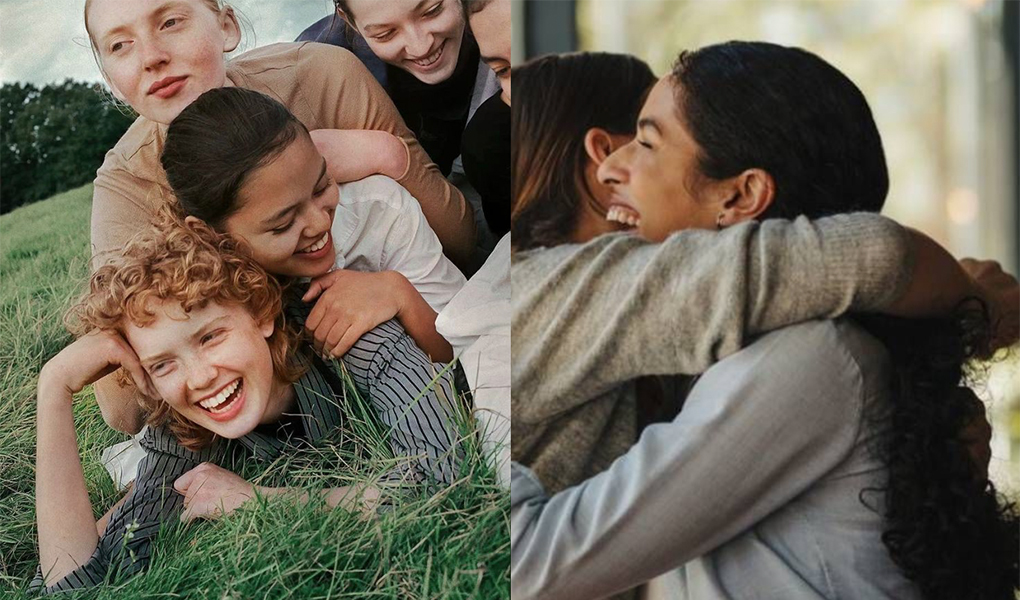
At some point, the language of beauty began to change.
People no longer wanted only perfection.
Instead, they began to ask:
“Does this make me comfortable? Does this experience respect me?”
Psychologists tell us:
Human satisfaction is more closely connected to the emotions we experience during the process than to the outcomes.
An experience of being understood,
a moment of being appreciated,
the feeling of being accepted as you are.
Beauty moved in that direction, too.
What mattered was no longer the visible result but the felt attitude.
Not how quickly change happened,
but what emotions that change left within me.
From this point forward, beauty could no longer be completed alone.
Beauty began to take on meaning only within relationships with others.
3 The Aesthetics of Relationship: Where Beauty Resides
Source: pinterest
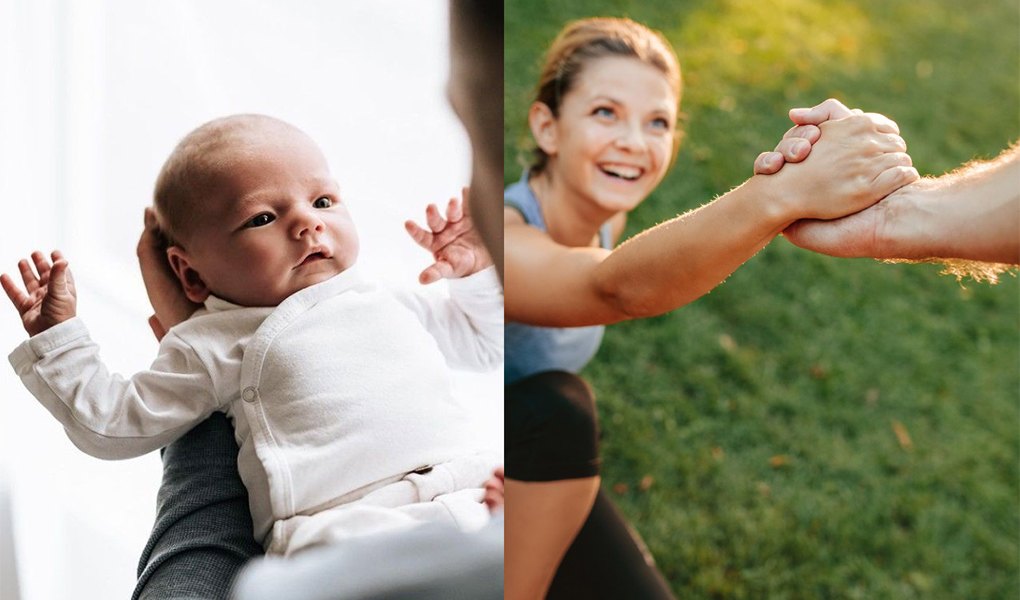
Relationships have always been beauty’s essential condition.
The expressions a child first learns from a parent’s face, the sense of safety read in another’s eyes.
We have always
recognized ourselves within relationships,
and cultivated ourselves within relationships.
That’s why true beauty manifests in ways that put people at ease.
Beauty doesn’t make others tense.
Instead, it eases the tensions of the heart.
The pace of speech, the level of one’s gaze, and an attitude of patience—these give others a sense of stability.
This may not be outwardly visible, but it’s unmistakably felt.
And that feeling lingers.
Beauty doesn’t evaluate others.
Nor does it compare.
It allows breath to settle and presence to remain.
At this point, beauty is no longer a possession.
It becomes experience, relationships, and ethics.
4 K-Beauty and the Sense of Relationship
Source: pinterest
K-Beauty resonated globally not simply because of technology or ingredients.
At its core has long resided a sense of ‘care’ and ‘consideration.’
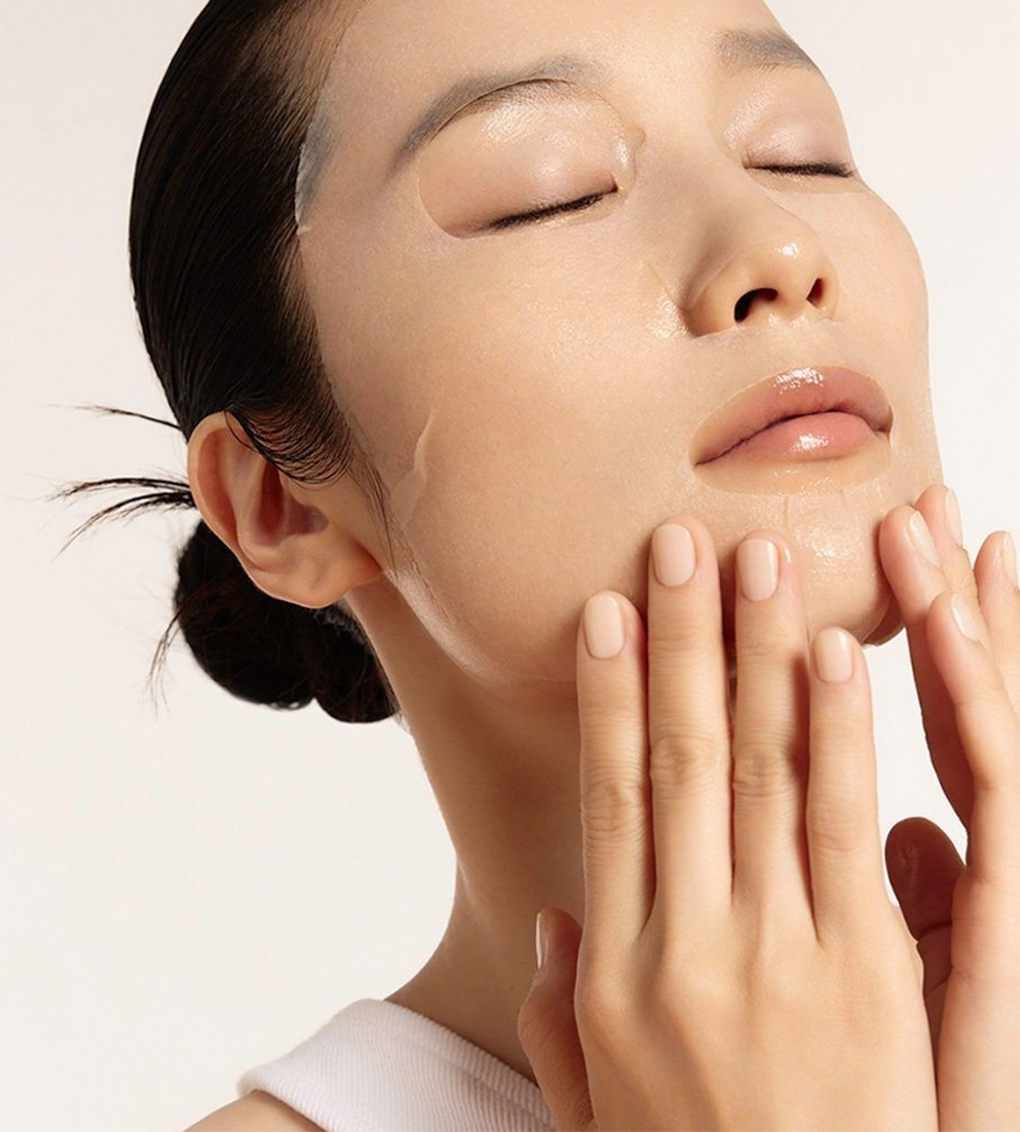
The slow process of application, the time spent caring for oneself through multiple steps.
This isn’t merely a routine.
It’s closer to a way of relating to oneself.
The attitude of not rushing, of waiting for the skin’s response, and what holistic beauty speaks of—all exist within the same context.
This represents a state where skin, emotions, daily life, and relationships remain undivided.
Beauty isn’t completed alone.
It’s shaped together through one’s relationship with oneself and one’s relationships with others.
5 Questions After Technology: As We Connect More, Do We Become More Human?

Source: https://action.deloitte.com/
Technology has expanded relationships.
We’re connected to more people and communicate more quickly.
But as the quantity of connections increases,
the quality of relationships increasingly comes into question.
Is this connection warm?
Does this communication result in someone being with us?
The aesthetics of the technological age asks again:
Does this experience make people more human?
Or does it turn them into more efficient objects?
Beauty cannot be explained solely by the speed of innovation.
Instead, the attitude of not losing sight of people within that speed becomes increasingly important.
6 Ultimately, the Aesthetics of People
Source: pinterest
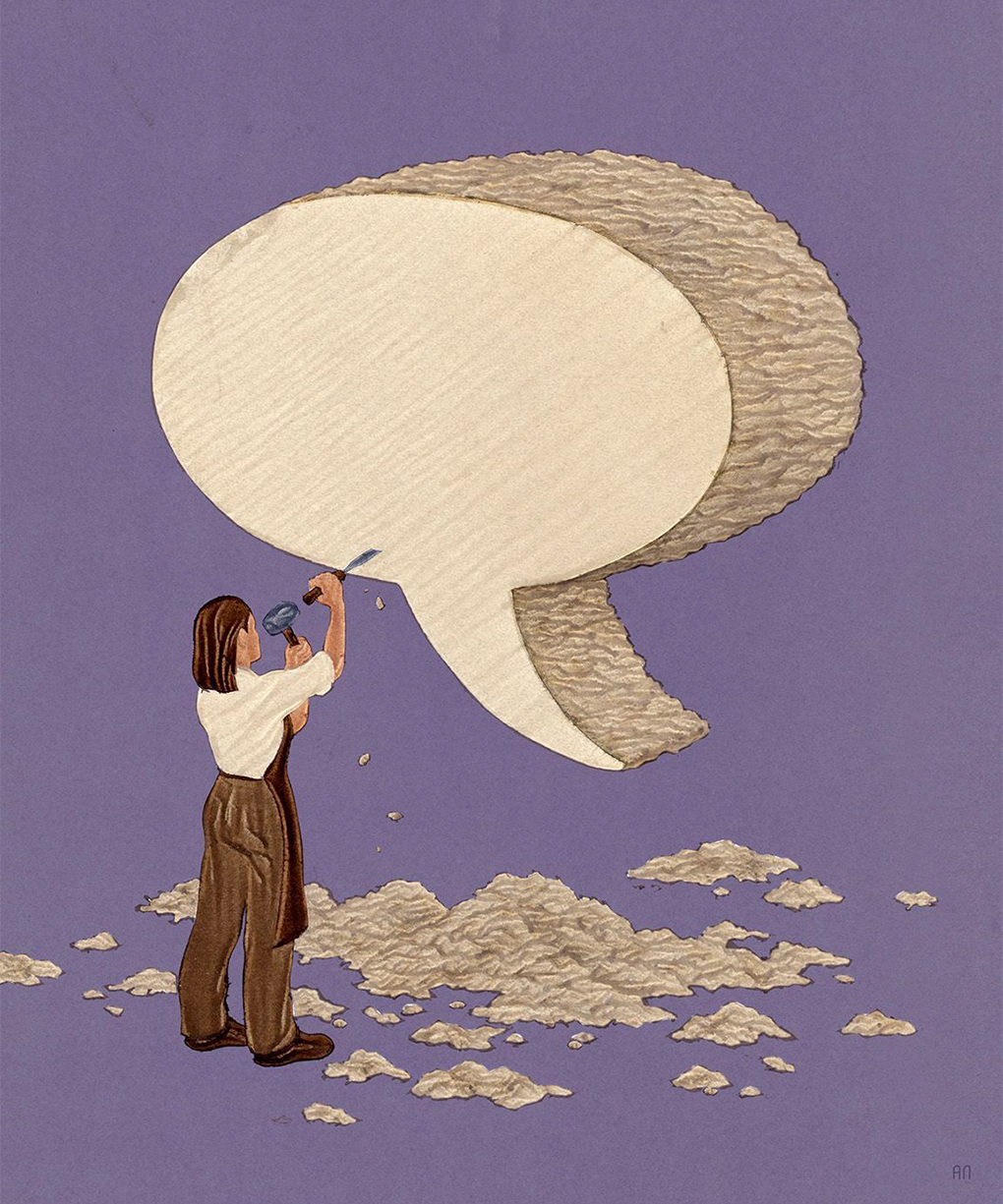
The destination of beauty we now face is closer to an ancient truth than a new standard.
Beauty is
not a well-crafted outcome
but a way of treating well.
How we speak.
How we wait.
How we show respect.
Our attitude toward these questions
becomes a person’s aesthetics—
and an era’s sensibility.
Epilogue
Stories Left Untold
This story still contains
sentences left unspoken.
Because a relationship is always ongoing.
Every day, we can
become a little kinder
or a little more indifferent.
Beauty quietly changes direction atop these choices.
To all the readers who have walked this long journey with me, I want to leave this final sentence:
“Beauty is not something completed, but something continually practiced toward one another.”
Even at this moment,
something seemingly small yet warm
that softens someone’s day—
this is perhaps where beauty has arrived for us.
I hope this essay has offered you a moment to catch your breath,
and to those who have breathed alongside these humble words
and offered warm support and encouragement,
I express my deepest gratitude.
* References
- Martin Heidegger, Building, Dwelling, Thinking (Harper & Row, 1971)
- Hartmut Rosa, Social Acceleration : A New Theory of Modernity (Columbia University Press, 2013)
- Alain de Botton, Status Anxiety (Vintage, 2004)
- Martin Buber, I and Thou (Scribner, 1970)
- Sherry Turkle, Reclaiming Conversation (Penguin Press, 2015)
- Mark Vernon, Wellbeing (Routledge, 2008)
 |
Juyoung Reu |
|
|
Amorepacific
  |
|
-
Like
0 -
Recommend
0 -
Thumbs up
0 -
Supporting
0 -
Want follow-up article
0