


#Amorepacific:log

How does the day begin for the person behind the OSULLOC official online store?
Until a Product Sells | #1. What It Means to Run a Brand
Columnist
Hyunjin Park OSULLOC e-Commerce Sales Team
Editor's Note
The things that don't show up clearly in the numbers, but that we're actually deciding every single day.
This series is about how those moments are made. I'll unpack, one by one, the choices I make every day: which products to show first, how to address customers, and how to guide them through to a purchase.

[Out of everything competing for attention, earning that one click from a customer]
It takes only a few seconds for a customer to click on a page. Behind those few seconds are dozens of decisions. The better the planning, the less visible those decisions are. The first thing I do when I get to work is open the previous day's dashboard to see how all those choices actually landed.
Which products sold well, where traffic came from, and where people dropped off. The numbers sit there quietly. But the strange thing is, I don't jump straight to conclusions when I look at them. Why was it this particular product yesterday? Was it the promotion, the season, or the way the page first appeared? Before I reach for the numbers, I find myself wanting to understand the situation that produced them.
When I trace this instinct back, I have to go back long before my time at OSULLOC. It started in college, when I built and launched an app with an IT club and came face-to-face with user logs for the first time. How long someone stayed on a given screen, where they dropped off, and when they came back. At first, I just thought of it as data. But as I sat with it a little longer, something strange stirred in me. The person who opened the app at 7 in the morning was probably on the subway heading to work. The person who lingered on a particular screen at 11 at night was probably lying in bed, turning something over in their mind. The moment I felt that each log carried someone's time and context, the way I saw data changed entirely. That was when it started: looking past the numbers to picture the day of the person behind them.
That instinct hasn't changed much since. The screens are different now, and the numbers are different. But what I'm still looking for is the person on the other side of them.
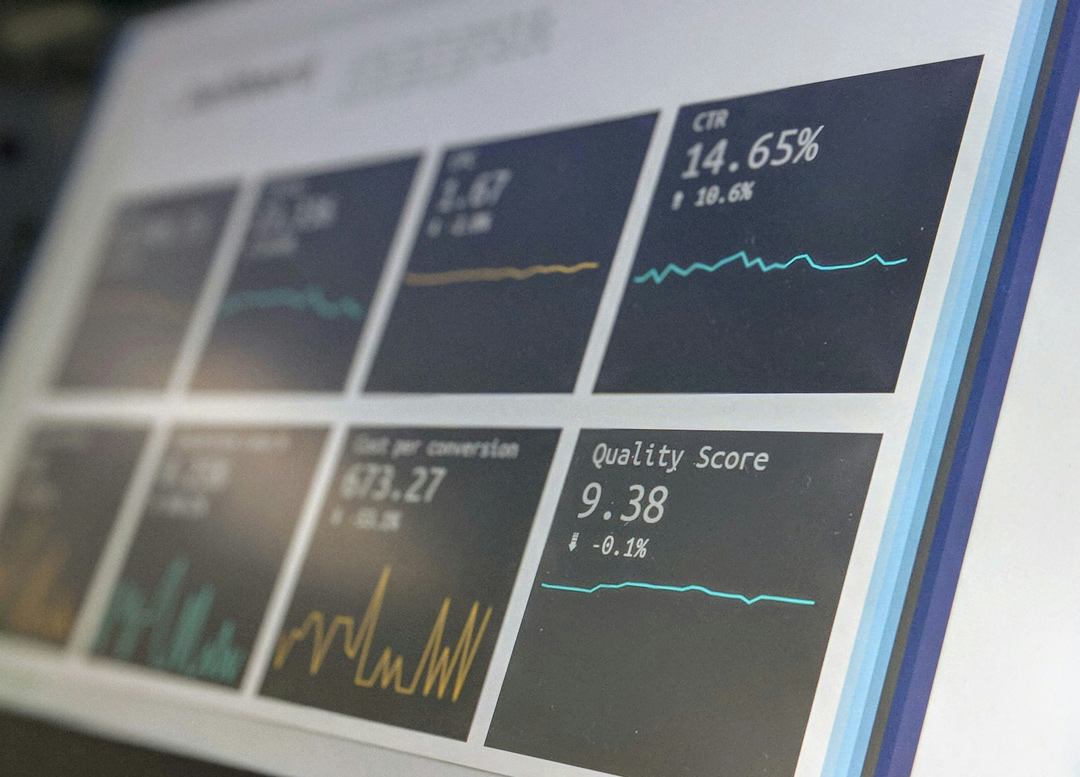
[Beyond the numbers and graphs, I try to imagine the person who created them.]
What I Do
At OSULLOC, I manage the brand's official online store, a D2C shopping channel we operate ourselves at osulloc.com, rather than on external platforms like KakaoTalk or Coupang. Why does that distinction matter? On external platforms, the algorithm places the products, and the platform designs the experience. Even when a customer searches for OSULLOC and lands on one of those pages, much of that journey is shaped by the platform's logic. Our own store is different. From the moment a customer arrives at osulloc.com, we decide what they see first, how we speak to them, and how the path to purchase unfolds.
If I had to sum up what I do in one line: I design the experience that lets customers discover OSULLOC's world of tea, explore it, and arrive naturally at a purchase. Promotion planning, product curation, content organization, page management: everything moves toward that single purpose. It's not simply a matter of listing products. It's about making sure that the moment someone enters that space, they feel fully immersed in the OSULLOC brand.
I look at numbers every day, but I always try to think of the person first. Because the metrics are never the goal — understanding the choices of the person behind them is.
What Goes Into a Single Page
Let's take a quick look at what it takes for a single promotion page to reach a customer. The planner starts by defining the purpose and direction of the promotion: which products to build around, who the target customer is, and how to structure the offer. Once the direction is set, we coordinate timelines with the design and IT teams. While design works on the visuals and IT develops the page, the planner writes the copy, finalizes the product lineup, and sets up the promotional conditions. Depending on what's needed, we get the terms reviewed by legal, confirm inventory with operations, and finally run the page through QC testing before it goes live.
From the customer's side, that page just appears. "Oh, there's a promotion," and they click. But behind it were dozens of decisions: which product to put first, how to word the banner, whether the image should feel warm or cool, whether to frame the offer as a percentage discount or an actual price. Each one of those decisions shapes what the customer feels when they land on that page. That's when I began to understand in my bones that 'planning' isn't simply about putting together a campaign.
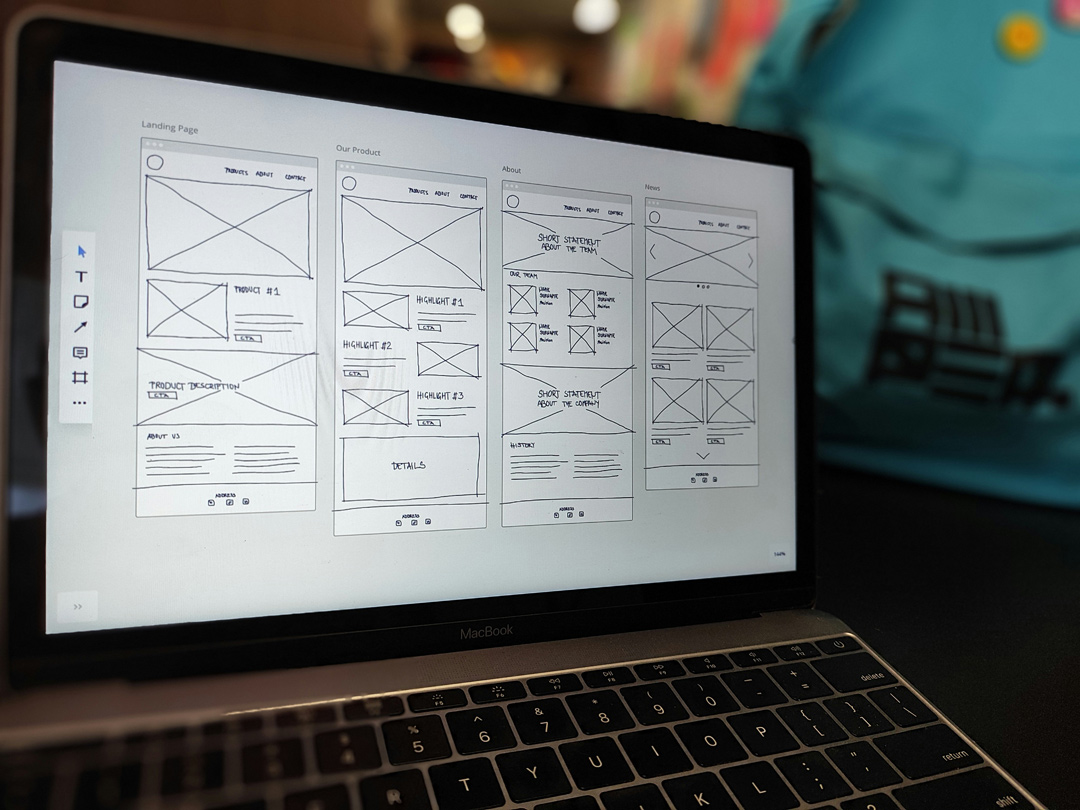
[To this day, the parts I spend the most time and thought on are event pages and service planning.]
Designing 'What Doesn't Show'
There's a phrase that often comes to mind in this work: "A well-built service leaves no trace." If a customer can find what they're looking for and make it through to a purchase without friction, that's the best planning there is. It's rare for someone to stop and think, "Wow, this page is really well made." They found what they wanted easily, felt like buying it, and bought it. When no trace of the planning shows, the planning has done its job.
Conversely, when planning becomes noticeable, it's usually because something has gone wrong. Too many pop-ups, products that are hard to find, and promotional terms that are too complicated to parse. The moment a customer stops and thinks, "What's going on here?" the flow of the experience we built has already broken down. That pause becomes a drop-off, and the drop-off becomes a number. And the next morning, when I'm looking at those numbers, that pause is in there somewhere.
So when I'm building a page, I keep coming back to one question: "Where will the customer stop?" Is there a point where the sheer number of choices feels overwhelming? Is there a section where the terms are complex enough that someone might give up halfway through reading? Does the first screen make it immediately clear why a person is there? These questions are where planning begins.

According to research by the Baymard Institute, the average e-commerce cart abandonment rate is around 70%.
The top reason for abandonment was 'unexpected additional costs,' followed by a 'complicated checkout process' and a
'forced account registration.' The common thread: every single one was a problem of experience design.
The abandonment rate tells us one thing: "people left." But it doesn't tell us why they left. Finding that "why" is what we do every day. We're not working to improve the metrics; we're working to improve the experience of the person behind them. The order of priority matters, and it changes everything.
What It Means to Run a Brand
One day, while scrolling through comments on an OSULLOC Store tea beginner event page I'd put a lot of work into, I came across these:
"This seems like a great guide for people who don't know much about tea yet."
"The beginner's guide is super helpful~ I love the caffeine-free options and matcha gets a big thumbs up from me!"
They were short. But I sat with those comments for a long time.
When you spend every day staring at performance data, the numbers can stop feeling like real people after a while. They're neatly arranged, but what's hard to see inside them is this: somewhere in those rows was someone having a rough day yesterday, someone carefully deliberating over a gift, someone who discovered OSULLOC for the first time while looking for an alternative to coffee.
Those two comments reconnected me to something. Not a number, but the fact that an experience we had designed had found a place in someone's actual day. That the image we chose, the copy we wrote, and the way we arranged the products had reached that person in some real way.
To me, running a brand isn't about selling products. It's about creating moments that find their way into someone's day. Every choice — what copy to write, which image to choose, which offer to lead with — is ultimately oriented toward one question: how will this land in that person's day?

[Running a brand's official online store is about more than selling products — it's about creating everyday moments that find a place in someone's life.]
To hold onto that sense of things, I try to read the context of the person behind the numbers first. What time of day did they arrive? What situation were they in? What was on their mind when they came to this page?
Those questions are what prompt me to reorder the products, rewrite the opening line of the copy, and simplify the structure of an offer. Looking beyond the data is, ultimately, about aligning every planning decision with that person's day.
The specifics of that — how I read the numbers, and how that actually shapes the choices I make in planning — I'll pick up in the next episode.
 |
Hyunjin Park |
|
|
OSULLOC e-Commerce Sales Team
OSULLOC Official Online Store Planner
 |
|
-
Like
1 -
Recommend
1 -
Thumbs up
1 -
Supporting
1 -
Want follow-up article
1