


#New Beauty Icon
2026.10.26
5 LIKE
18 VIEW
-
-
- 메일 공유
-
https://stories.amorepacific.com/en/amorepacific-meeting-inmo-chung-ceo-of-sauna-lifestyle-brand-sasasa
Meeting Inmo Chung, CEO of Sauna Lifestyle Brand SASASA
Create New Beauty, a life in which each of us carries a beauty of our own and stays true to ourselves. And ‘holistic longevity’ lies at the heart of the journey to keep that light of being ourselves from fading over time. It isn’t about defying age, but about filling life’s rhythm with the all-round well-being that skincare, inner beauty, and everyday wellness create together. The ‘New Beauty Icon’ steadily cultivates a resilient vitality of their own through balance inside and out, an outlook that points us toward the sustainable beauty we aim for. One by one, we meet the New Beauty Icons who live out holistic longevity as part of everyday life, each in their own place, and who pass on fresh inspiration.
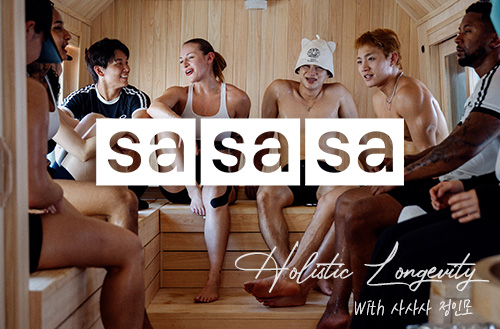
Many wellness practices help us care for body and mind, and the sauna is surely one of them. Inmo Chung, CEO of the sauna lifestyle brand SASASA, which recently marked its first anniversary, sees the sauna not simply as a place to sweat, but as a practice of emptying out well in order to fill up well. We talked with him about everything from why the sauna supports recovery in everyday life to the social sauna, where people grow closer by sweating together, to practicing holistic longevity through the sauna.
Hello. What kind of brand is SASASA? We’d also love to hear what led you to start it.
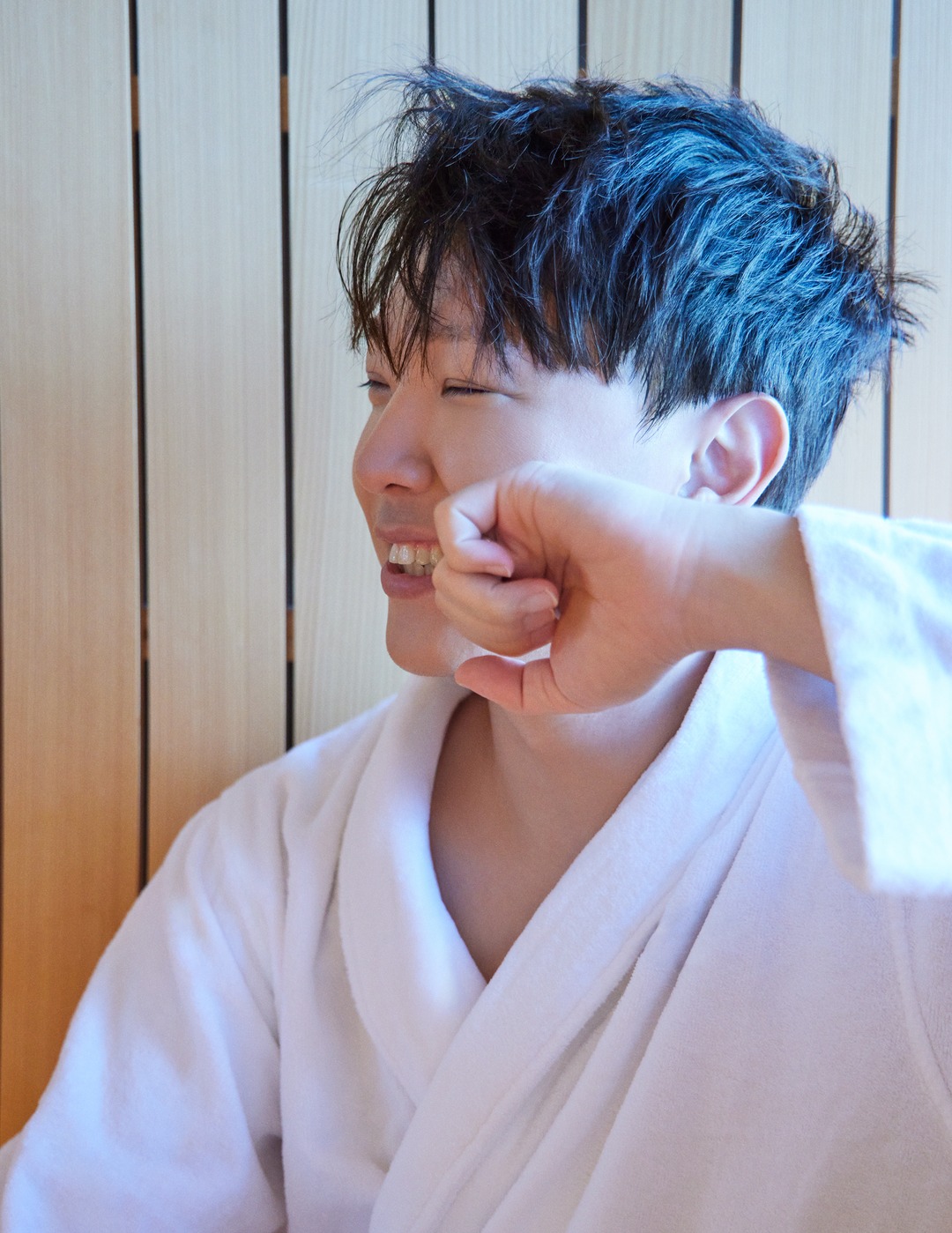
Hello. I’m Inmo Chung, CEO of SASASA, a sauna lifestyle brand. SASASA presents the sauna as a lifestyle that cares for body and mind. We’re building a new sauna culture so that anyone can enjoy the sauna as a natural part of their day and, through it, find a healthy balance in life.
I started my own business fairly young and worked flat out without a break, and it took a real toll on me, physically and mentally. There was a period when my health was poor enough that I kept going to the doctor, and saunas genuinely helped me a lot back then. That experience sparked my interest in wellness and longevity.
When I set my own business aside for a while and handled overseas brand marketing at a large company, I got to see the lifestyles and consumer cultures of many different countries. In North America especially, wellness had already become part of the culture after COVID-19. I was also struck by how people gathered and connected around the sauna, for example, at sauna parties. In Japan, too, I could see the sauna shedding its image as an old-fashioned bathing culture and becoming a lifestyle that people in their 20s and 30s were actively embracing.
Through those experiences, I saw the potential for the sauna to go beyond simple rest or bathing and grow into a wellness culture people enjoy in their daily lives. I wanted to create a culture in Korea where people could experience the sauna more naturally and enjoyably, and that idea led me to found SASASA.
Interest in saunas has been running high in Korea lately, too. Why do you think that is?
I think it comes down to a need for recovery. In Korea, I’d say there are a great many places where you can spend energy, but relatively few where you can recharge it. These days, so much demands our energy, and there’s so much to worry about, right? There’s macro-level uncertainty, like AI or war, and on a micro level, there are personal financial and career problems. I feel you have to invest far more mental resources than before to succeed or to gain anything. Yet there aren’t many spaces or activities that let you truly rest, and I suspect that’s why the sauna is drawing interest.
What is SASASA doing to introduce sauna culture to more people?
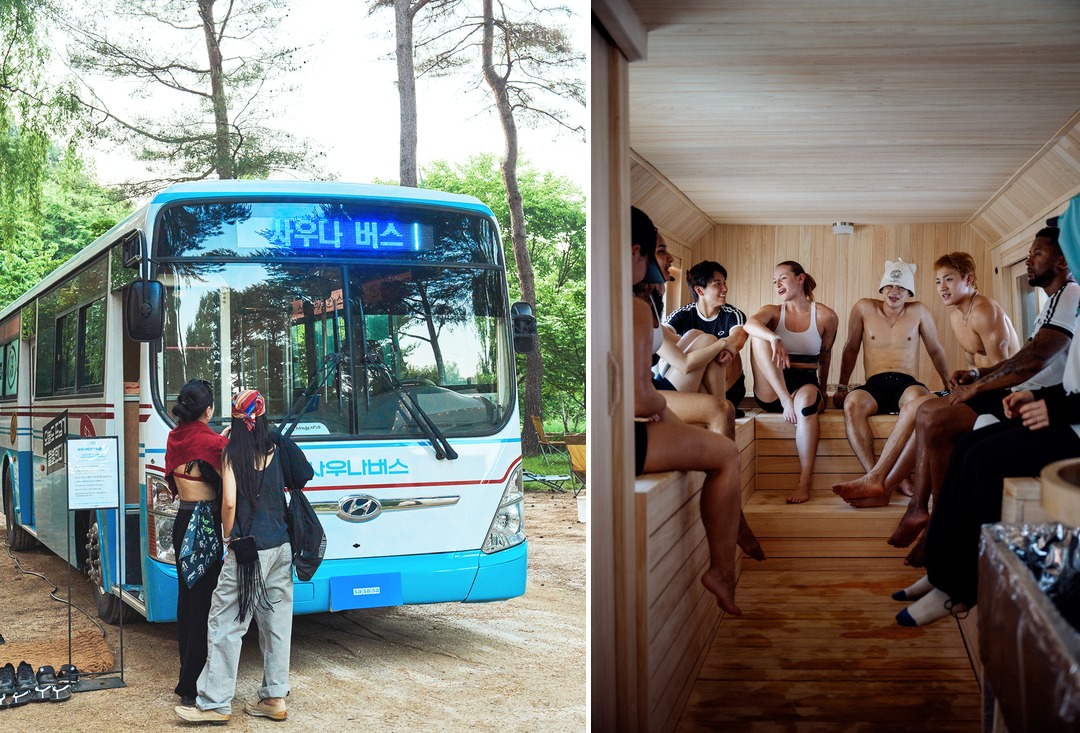
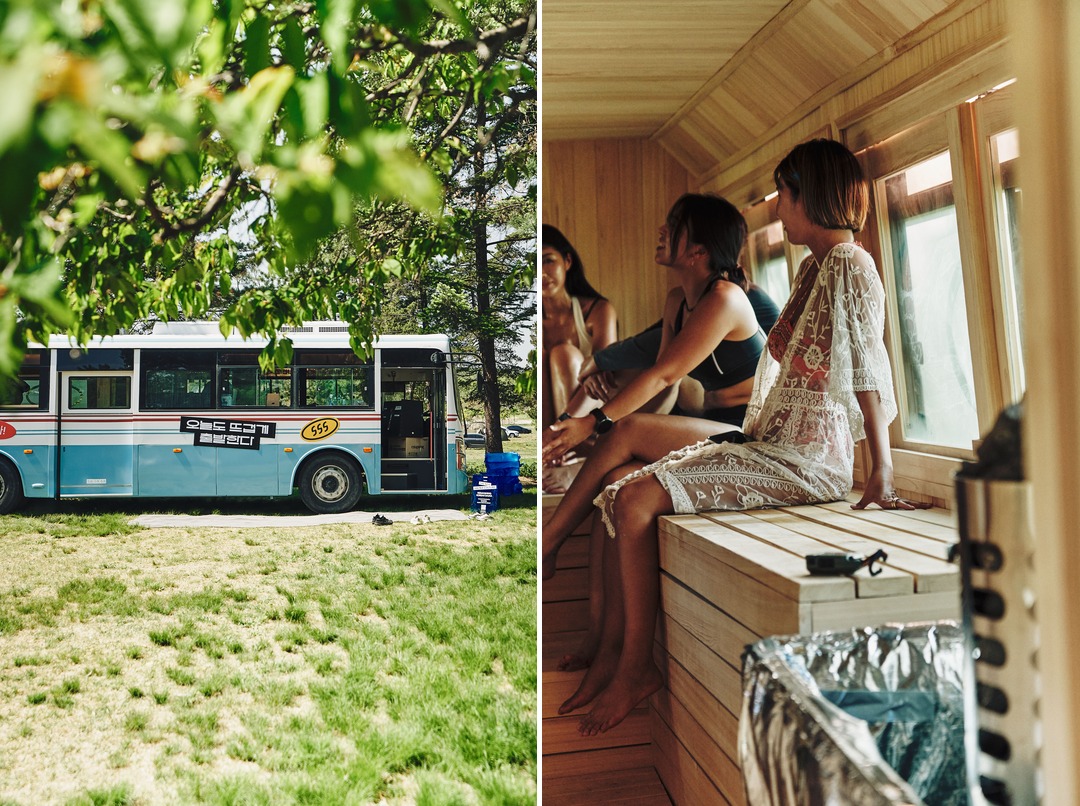
We didn’t start out with a fixed business model. There was no clear answer as to how Korea’s sauna culture would change or what kind of business it could grow into. So we thought that if something was connected to sauna culture and brought us closer to where SASASA wanted to go, we’d try as much of it as we could, at least to start. That’s why we meet people who want to create sauna spaces and consult for them, and we also run groups where people experience the sauna together. For people who want a proper sauna experience wherever they are, we’ve built and now run our own ‘sauna bus,’ a mobile sauna that travels to mountain streams, the seaside, and other spots.
Beyond that, we keep coming up with ideas and running a variety of projects to offer good sauna experiences. You could say we’re at the stage of testing the possibilities by actually trying out any new idea we can build around the sauna.
Specifically, what kind of sauna culture and experience does SASASA want to create?
Rather than simply creating a ‘hot room,’ we care about a single experience that runs from the sauna through the cold plunge to the rest that follows. We call that the ‘sauna sequence.’ You warm up thoroughly in the sauna, cool down with a cold plunge, and finally rest comfortably.
That’s also why we take the sauna bus to places like mountain streams or the seaside, where you can rest surrounded by nature, and why we set up a rest area there too. Ultimately, our goal isn’t just to bring people to a particular space. We want to reach people directly, wherever they are, in all kinds of formats, like the sauna bus or a sauna tent, and grow the sauna into a modern culture of rest.
Could you tell us more about the ‘sauna sequence’?
Basically, it starts with a sauna that thoroughly warms your body. Next comes cold water, like an ice bath or a dip in the sea. That’s also called a cold plunge. Then you step outside and take time to rest while your body cools down. For us, a good sauna experience is the whole process of moving between hot and cold environments, focusing on your body’s sensations, and resting. Alternating between the heat stimulus of the sauna and the cold stimulus of the plunge like this is also known as ‘contrast therapy.’
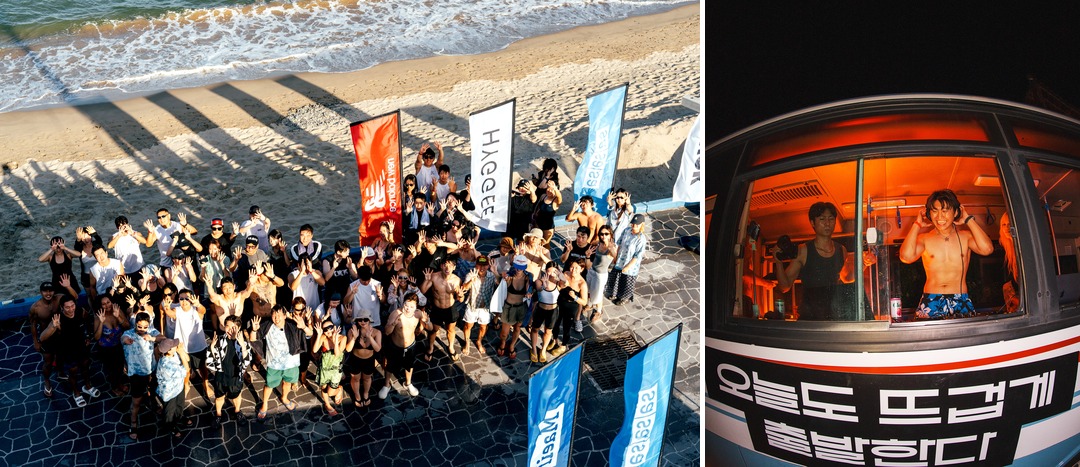
We’ve designed the sauna bus experience the same way, so the sauna flows naturally into a cold plunge, a shower, and rest rather than being treated as something separate. At a program we ran in Busan, for example, we set it up so people could move between the sauna and dips in the sea while also running, taking ice baths, and listening to music. In the end, the sauna, as we see it, doesn’t stop at sweating it out somewhere hot. It’s more like a single recovery process that runs through heat and cold into the rest that follows.
How exactly does this process of heat, cold, and rest help with ‘recovery’?
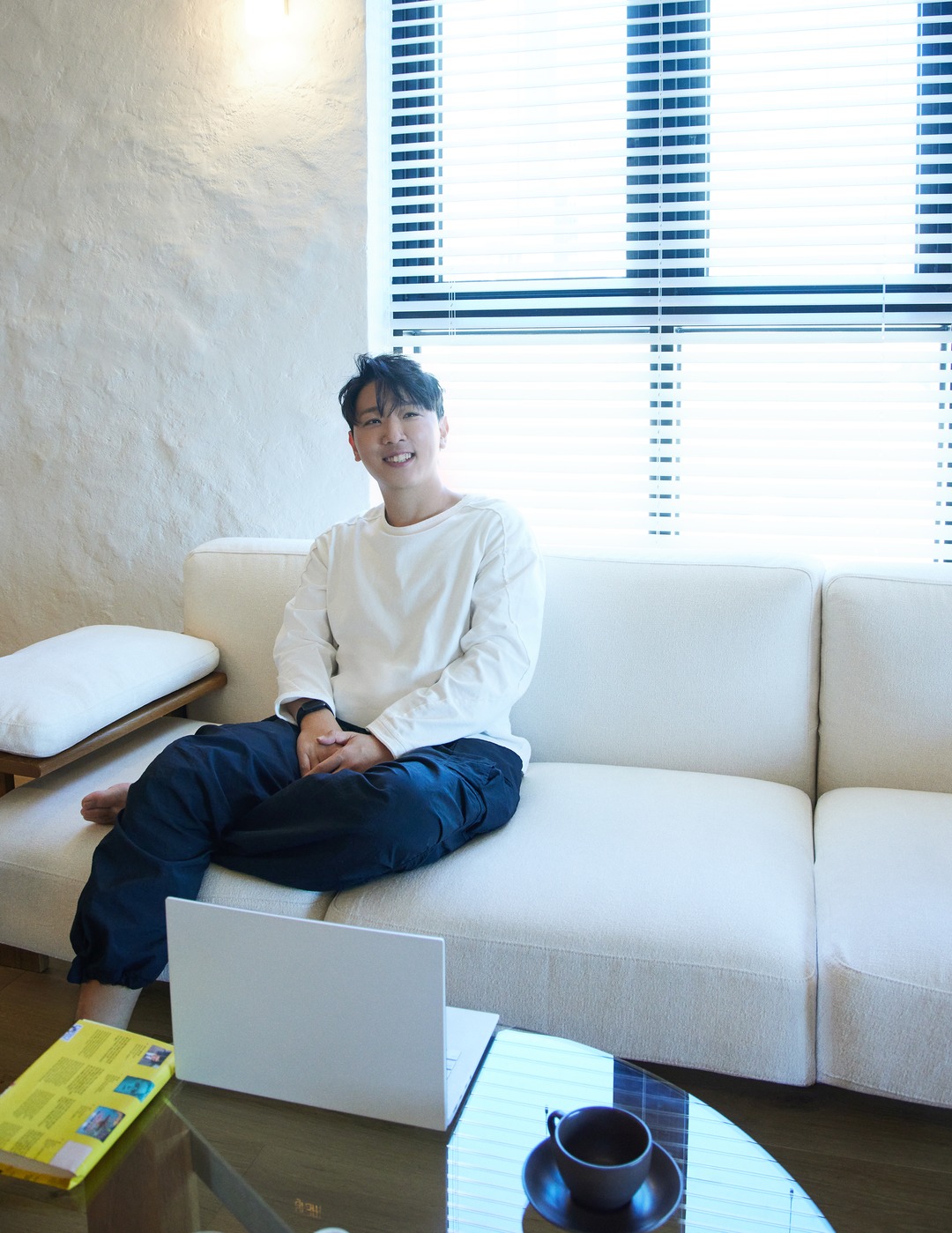
It’s hard for me to say anything definitive from a medical standpoint, but from what I’ve learned by experiencing saunas myself and studying them, I see it as a process that causes changes in heart rate and the autonomic nervous system. When the external environment changes, the body starts its own recovery response to return to its original state. Step into a hot sauna and your skin temperature rises even if you’re just sitting still. The brain takes this as a kind of stimulus, triggering responses that help the body recover, such as raising your heart rate, changing your brain waves, and releasing various hormones. Apparently, when you come out of a sufficiently hot sauna, the stimulus is strong enough that smartwatches and other biometric trackers register it as activity at the level of brisk walking.
If you go straight into a cold plunge from there, your body has to deal with another sudden temperature change. If you then rest for about 5 to 10 minutes, fully relaxed, you can feel your stimulated autonomic nervous system and hormones settle back to their original state. In short, you could think of it as giving your body a stimulus that doesn’t overtax it, then letting it adapt and recover on its own.
Sauna culture has developed a little differently from one part of the world to another. As you said, Japan started out much like Korea, with the sauna as a place of recovery where people worn out by daily life could shake off their fatigue. In Europe, there’s even a kind of performance culture in which a professional sauna master pours aroma water over hot stones and waves a towel to spread the scent and heat. In this way, the sauna has evolved into an experience not only for recovery but also for wellness. In your view, which moment is most essential to the sauna experience?
No matter which sauna you go to, I’d say the rest at the end is the highlight. It’s what completes the experience. That’s when a particular feeling sets in, along with a sense of release. So where you rest matters a great deal. Good saunas in Japan really get this resting experience right. Some arrange the space so you can relax completely while taking in a view like Mount Fuji. In Japan, that pleasant state after the sauna and the cold plunge, when your body and mind feel as if they’ve settled into place, is sometimes called ‘totonou’ (ととのう).
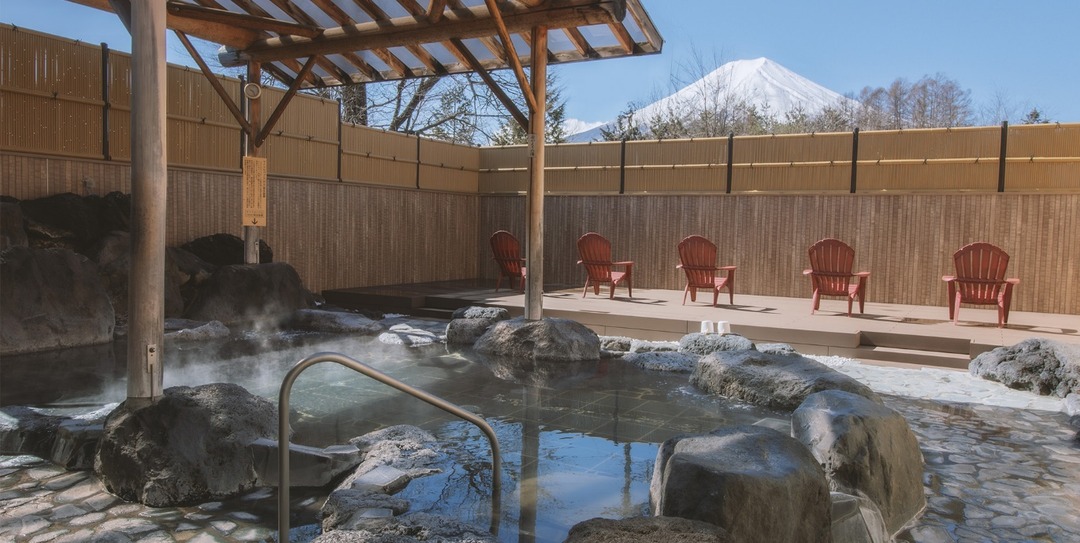
Source: https://www.fuji-sensui.jp/
SASASA, too, cares about the environment after the sauna as much as the sauna itself. We can take the sauna bus anywhere, but we don’t just pick any spot; whenever possible, we look for distinctive places where resting can be fun. We’ve set up beside a mountain stream, and we’ve run a sauna on a beach with a view of Gwangan Bridge. Once the sauna and cold plunge have stimulated your body quite a bit, what you see and hear next hits you far more dramatically than usual. So when we run a program, even though it’s a hassle, we also provide chairs and a rest area so people can sit or lie down and rest properly.
SASASA is also focusing on wellness through the social sauna. You plan many events where people enjoy the sauna together. We’re curious how the sauna, which feels like a personal activity, can become a social experience.
The sauna is a better activity to share than you’d think. It’s hard to split people into those who are good or bad at it, and everyone can take part as much as they’re able, so there’s less of a competitive atmosphere. Also, in the sauna, things like clothes, jobs, and social standing naturally fall away, so people can talk more comfortably and grow closer. Even without much conversation, just sweating and resting together lets you share the same experience. That’s why I think the sauna can lead not only to individual recovery but also to the recovery of relationships and community.
So how do the social saunas SASASA plans actually work?
They take all kinds of forms. Sometimes people spend time together around the sauna itself, and sometimes it’s combined with wellness activities like running or yoga. For a slightly freer vibe, events like Sauna Rave add music and party elements. We don’t think the sauna necessarily has to be the star of the event. We think it can also play a kind of background role, sitting naturally in the mix as people meet, exercise, and rest, and helping everyone relax.
The sauna SASASA proposes seems closely aligned with the ‘holistic longevity’ Amorepacific talks about. What role do you think the sauna can play in holistic longevity?
The sauna is a really good fit for holistic longevity. Physically, the sequence of sauna, cold plunge, and rest lets you focus on your body’s sensations; mentally, it gives you time to step away from racing thoughts and focus on your body and senses. Beyond recovering on your own, it can add the value of socializing and community that comes from spending time with other people. The sauna also combines naturally with other wellness activities like running or yoga. I hope people will make the most of the sauna as one good tool for finding the kind of rest and recovery that suits them.
As someone who runs a sauna lifestyle brand, how do you interpret holistic longevity?
I think it means listening to the signals my body and mind send me and finding the approach that suits them, rather than chasing other people’s standards or trends. But to make that ‘my own kind of beauty’ last over time, it needs to be backed by all-round care, inside and out. Fully protecting myself from the stresses of the external environment and awakening the innate vitality of my skin and body through daily rituals like the sauna or rest. Consistently making day-to-day choices that keep that balance inside and out across every area of life. That’s what holistic longevity looks like to me.
Do you have a routine you stick to in daily life for holistic longevity?
First, obviously, there’s the sauna. (laughs) Beyond that, the two things I stick with are soccer and swimming. Soccer is a bit competitive and rough, but it’s fun, and swimming suits me well, so I do it often. After soccer and swimming, I always hit the sauna. And since rehydrating is a must after the sauna, I make sure to have water and other drinks, and now and then I’ll have a good draft beer with the people I played with.
Do you have any tips for first-timers who want to try the sauna for holistic longevity?
I hope people won’t think of the sauna as something difficult or a big deal. In Korea, after all, you can easily find one anywhere around you. That said, if it’s your first time, I’d recommend going to a well-maintained sauna and trying the sequence I described at least once.
What should people look for when choosing a well-maintained sauna?
First, you need to be able to experience the full sauna sequence I mentioned earlier. In terms of facilities, it’s worth checking whether the temperature and humidity inside the sauna are kept at the right levels. In a traditional Finnish sauna, the interior is built in tiers. Because everyone’s physical condition and preferred temperature differ, people can choose their temperature by how high they sit. It’s also worth checking how easy it is to get from the cold plunge to the rest area. So there are many details you have to consider carefully to create a good sauna. That’s what makes it such a hard space to build and maintain properly.
SASASA is also thinking through these elements and working to create saunas where anyone can recover fully in the way that suits them and focus on their body’s sensations. We’ve collaborated on saunas that will open soon, and we’re continually offering various sauna experiences, like the sauna bus and sauna tents. So I hope you’ll keep an eye on us and come try them for yourself.
Finally, tell us what kind of sauna culture you hope to offer people and build through SASASA in the future.
There are two main things. The first is seeing the sauna as a space for recovery. In Korea, the sauna started out as a place for washing and scrubbing, then expanded into an entertainment space for relaxing and having fun, like the jjimjilbang (Korean bathhouse spa). Now I think it can go a step further and be redefined as a wellness space where you care for your body and mind and help them recover. SASASA wants to be a little ahead in showing that shift and help more people experience it.
The second is interpreting Korea’s sauna culture as our own heritage. Korea is actually a country where sauna culture, in the form of public bathhouses, jjimjilbang, and more, runs very deep in everyday life. But in the recent wellness and recovery movement, I feel that, if anything, we’ve been a little late to reinterpret and showcase that culture. I want to take sauna culture, which is already familiar to us, and reframe it for today’s lifestyles. A future where, when people picture a good life, a good sauna is naturally part of it, and where Korea’s sauna culture expands once again in a new way — that’s the direction SASASA wants to build toward.
Inmo Chung, CEO
Inmo Chung began his entrepreneurial career as a KAIST student by developing IAMSCHOOL, a smartphone app built for schools. He then worked in overseas brand marketing at a major corporation and ran an esports company, among other roles, and founded SASASA last year. He is building a new Korean sauna culture by reinterpreting the sauna not as simple bathing culture but as a modern lifestyle that spans recovery, wellness, and social experience.
-
Like
1 -
Recommend
1 -
Thumbs up
1 -
Supporting
1 -
Want follow-up article
1