


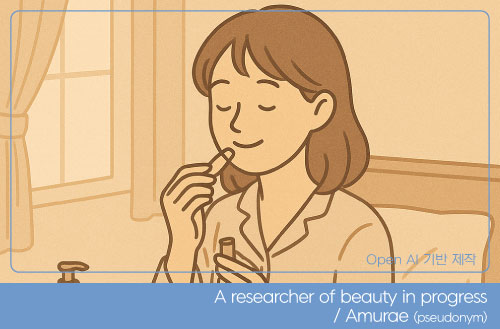

Columnist Amurae (pseudonym)
1 Reflecting on Work During Time Off
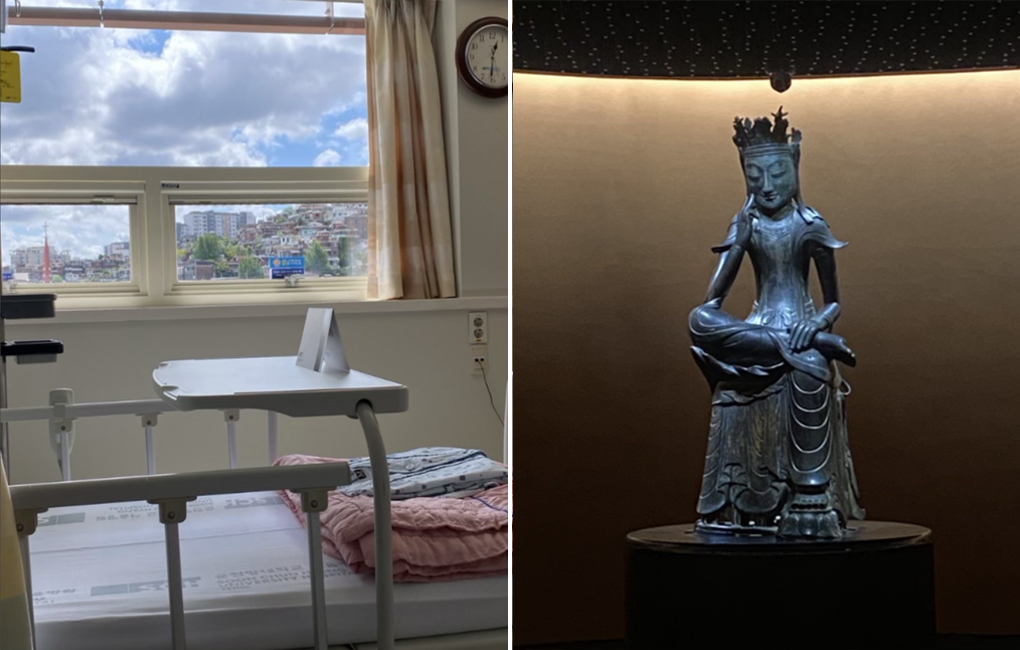
Not long ago, I took time off from work for health reasons. The illness might have been caused by accumulated stress, or perhaps something else—even the doctors couldn’t say for sure. But lying on the operating table waiting for my turn, I couldn’t help thinking that my hectic work life had taken its toll on my health. The thought felt both sad and futile. What had I been chasing to live at such a relentless pace?
After the surgery, even basic hygiene became a challenge. Staring at my reflection—pale face, chapped lips, hospital gown—I looked pitiable even to myself. Then one day, bothered by how dry my lips had become, I reached for a light-colored lip balm for the first time in ages. In that moment, it was as if the pain briefly lifted. A sense of vitality spread across my face, and the reflection in the mirror seemed to come back to life. The transformation was striking, and with it came a realization: “This is what cosmetics can mean to someone.”
It wasn’t just about color cosmetics.
When I applied a fragrant cream to my dry skin and felt it become supple and moisturized again, the sensation felt almost therapeutic. Alone in that hospital ward, wheeling my IV stand to the mirror and slowly layering skincare on my face—that wasn’t just grooming. It felt like a process of returning to myself. In that moment, I reconsidered the meaning of these products I’d always taken for granted.
Self-care isn’t just about appearing presentable to others. The act of caring for yourself gives you a small sense of control over your life and builds resilience. Cosmetics don’t demand major changes or significant expense the way clothes or hairstyles might, yet they’re the quickest way to reclaim yourself. We’ve all had the experience of going shopping to lift our spirits, only to try on an ill-fitting outfit and feel even worse. With cosmetics, I think the chance of that kind of disappointment is much lower.
There in the hospital ward, quietly caring for myself, I came to understand something: the products I spend so much time deliberating over at work might be offering someone exactly this kind of small joy, this moment of recovery.
2 Why Do We Work? Why This Work?
After experiencing that small recovery in the hospital, a question naturally arose:
“So why am I doing this work?”
When my body stopped, my mind stopped too, and I found myself examining the meaning of work all over again.
In Why Do We Work?, Kazuo Inamori argues that work transcends mere subsistence. I agree with him, yet I also find myself wondering: if the goal were simply to make a lot of money and live comfortably, perhaps this life wouldn’t be the optimal path. Bookstores and YouTube are overflowing with success stories of people making millions in just days, and AI’s rapid advancement is quickly eroding the value of labor.
Paradoxically, in an age where AI is turning many jobs into “work anyone can do,” experts increasingly emphasize doing ‘work you love.’ As KAIST Professor Daeshik Kim puts it: ‘We’re living in a world where a TikTok star who’s phenomenally good at jump rope can make more money than a mid-level data specialist.’ In an era where average competence becomes universally accessible, what matters is finding what you can do best—and to excel, you must invest time and money in work you genuinely enjoy.
So I took stock of how I feel about my work. I do like it quite a bit, actually. Love might be too strong a word—commuting is still hard. But I find real pleasure in discovering clues within customer stories that even they aren’t aware of. Minor inconveniences, needs they haven’t fully recognized, offhand remarks that begin with “I just find this bothersome.” I gather these fragments and build them into a product attribute, then read and reread customer feedback to ensure that the attribute doesn’t get blurred throughout the development process. And when a customer finally says, “This is exactly the product I was looking for!”—there’s a genuine thrill in that.
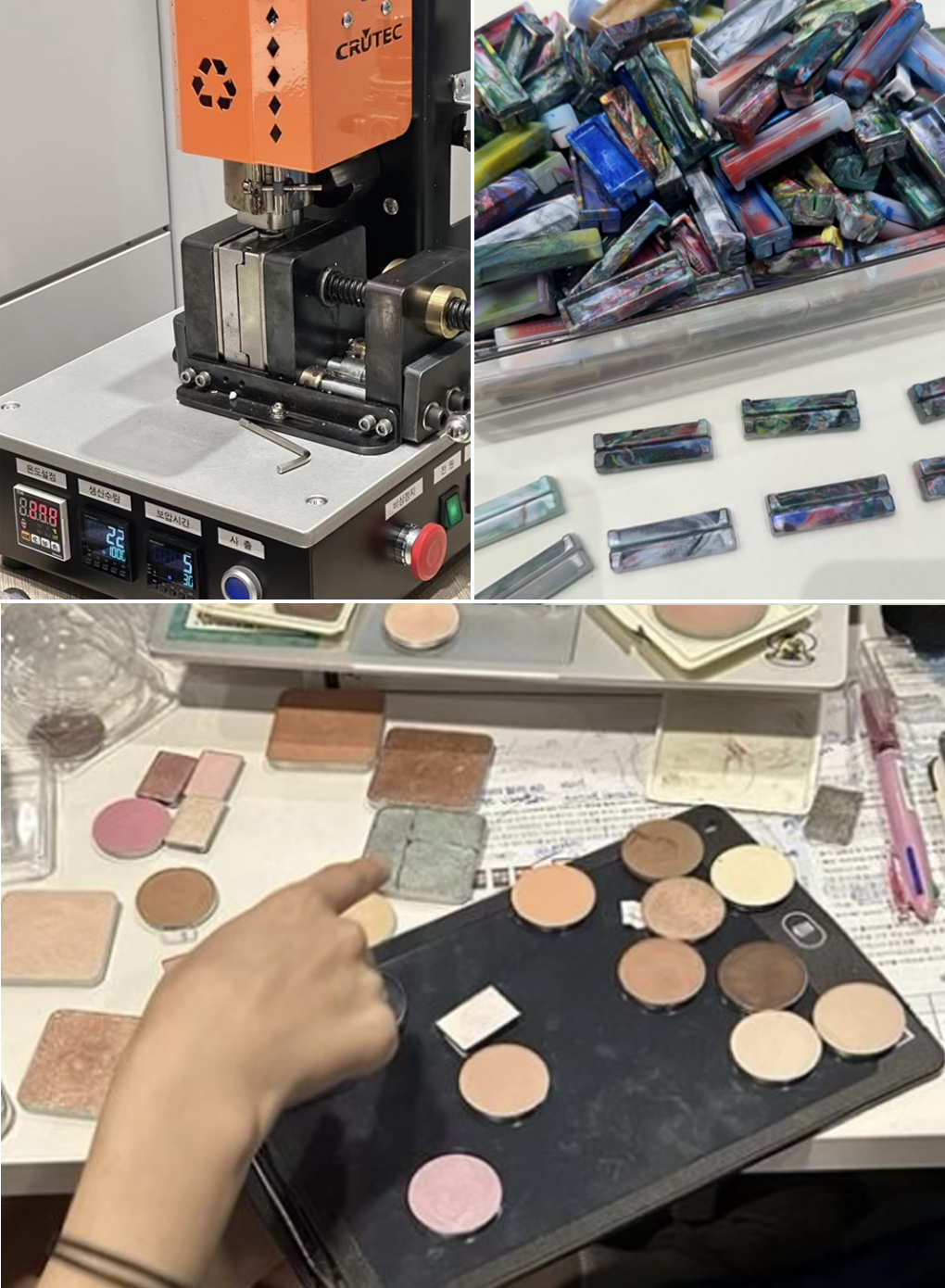
Creating something tangible carries both weight and joy. These aren’t things that exist only on a screen and then disappear—they remain ‘in physical form you can hold.’ That brings both responsibility and reward. Even a single typo can’t be easily fixed. A product that has already been shipped can’t be recalled. So with each product, I deliberate even longer. Will the container slip when held? Are the edges too sharp? Will too much product suddenly pour out and stain someone’s clothes? And then there are those moments of watching an attribute survive various combinations of formulation and packaging to finally become something ‘you can hold in your hand.’
The thought that something tangible—born from long deliberation and passing through countless hands—might end up in a stranger’s possession somewhere in the world and offer their day a small moment of comfort: that’s what gives me the strength to keep doing this work.
3 Professional Self-Worth
Ultimately, this story leads to ‘professional self-worth.’ In these uncertain times, I believe the attitude we most need is precisely this professional self-worth—the value we find in our own work. I’m not suggesting we inflate our egos with overblown self-regard. But neither is there reason to diminish what we’ve built and the time we’ve invested by calling it ‘insignificant.’
I believe we shouldn’t do that. Because when you’re absorbed in work, everyone eventually faces a ‘moment of falling.’ There are times when your body gives out, and you must stop. There are days when your spirit wavers as you compare yourself to those around you. On those days, everything you’ve built can seem meaningless. That’s precisely when you must be kind to yourself. You need to reflect on the meaning you find in your work, to reconsider what it means to spend two-thirds of your day in this place. Yes, you need to be your own ally—but more fundamentally, understanding that meaning for yourself is what allows you to sustain the work and ultimately do it well.
Life after returning is the same. I’m once again racing against deadlines, pleading with someone, “Isn’t there some way?” as I search for solutions. The deep reflections from my time away have already faded, and I’m simply repeating the daily routine. Yet even within that repetition, I try to hold onto a few things: why I do this work, why I still choose to keep it, and the belief that something small I create might offer someone a quiet moment of recovery. That belief is what restores meaning to my work.
 |
Amurae (pseudonym) |
|
|
Amorepacific
 |
|
-
Like
3 -
Recommend
1 -
Thumbs up
1 -
Supporting
1 -
Want follow-up article
0