



Editor's Note
Every morning, we wake up to a digital world that has changed overnight. Companies everywhere are experimenting with everything digital (content, commerce, customer experience, AI) and weaving it all into their marketing to create something truly special for their customers. Sometimes with curiosity, sometimes with a sharper eye: through this column, I’d like to explore the digital trends making headlines right now, examine them from multiple angles, and share some insights along the way.
#INTRO
In the fiercely competitive AI market, the heads of rival companies have recently found rare common ground on one topic. They argued that technology is advancing so fast that AI now risks slipping beyond human control, and that safeguards and a slower pace are needed. Anthropic’s CEO proposed slowing the development of cutting-edge AI models, and the CEOs of rivals OpenAI and SpaceX voiced their agreement in quick succession. Now a lively debate is underway over what ‘technology that serves people’ really means. Today, I’d like to introduce a few campaigns that use AI technology in the hope of changing our society, and that have a little warmth to them.
1. Pedigree Adoptable Campaign
Your Perfect Pup, Brought to You by AI!
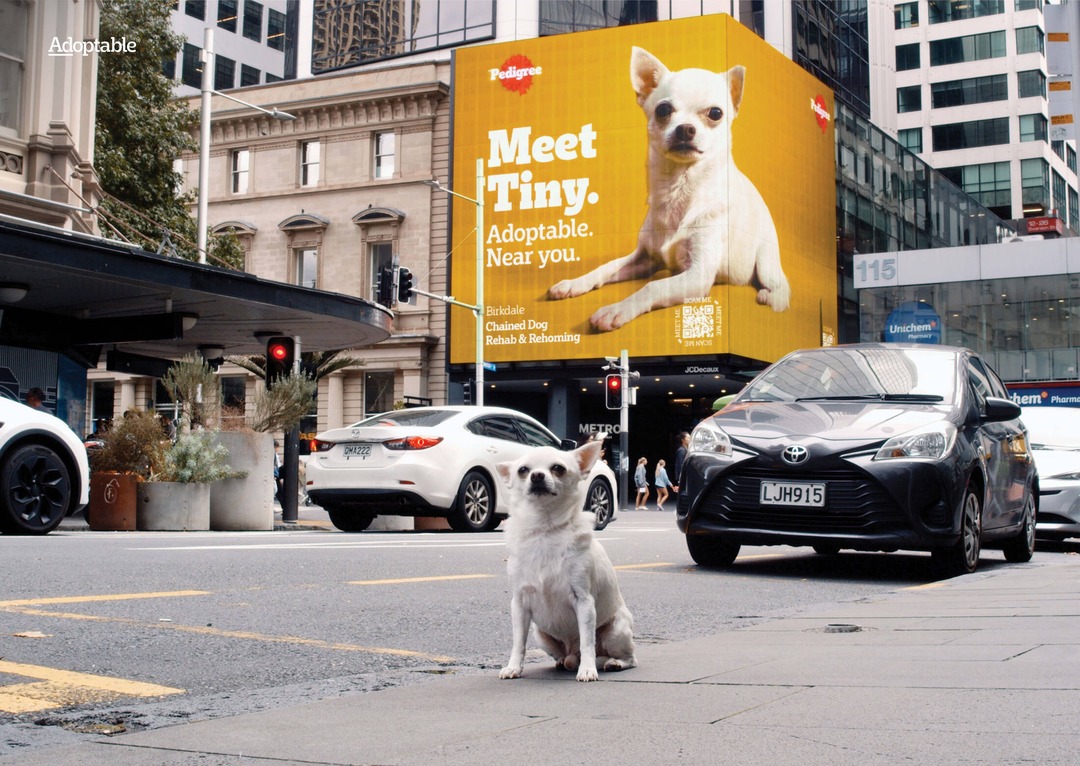
Content creation is where AI is used most, because anyone can generate content easily and without limit. The campaign that has made the best use of this strength is Adoptable, from the dog food brand Pedigree.
<Source: https://www.adsoftheworld.com>
As more people keep dogs, the abandonment rate has also risen, becoming a growing social problem. Worldwide, more than 12 million dogs are said to be waiting in shelters to be adopted. Many organizations have run adoption campaigns for shelter dogs over the years, but the problem remained. Adoption rates stayed low, and many dogs that did find homes were later returned. Pedigree zeroed in on this. It saw that matching a shelter dog with the right family mattered most, and decided to put AI to work at exactly that point.
Shelter workers aren’t professional photographers, so they simply took photos of the dogs with their own smartphones to promote them. Photographing lively animals in an unfamiliar studio would never have been easy. To solve this problem, Pedigree turned to AI, developing a pipeline that elevates low-quality photos to the level of a professional photographer’s work. All it took was uploading a quick smartphone snapshot of a shelter dog, and AI would turn it into a flawless ad image, perfecting the lighting, composition, and even the background while keeping the dog true to life.
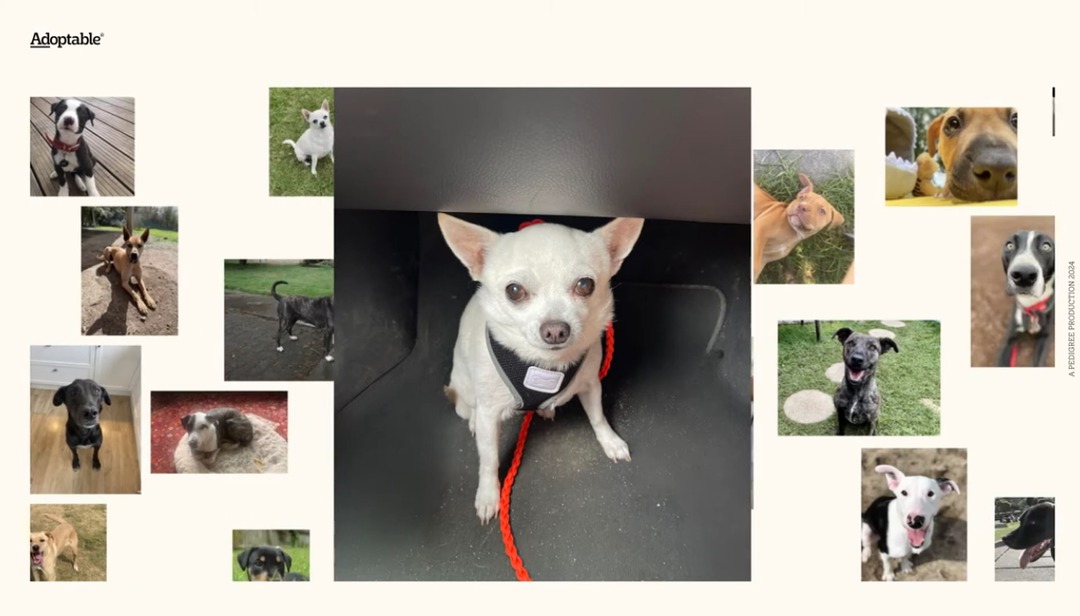
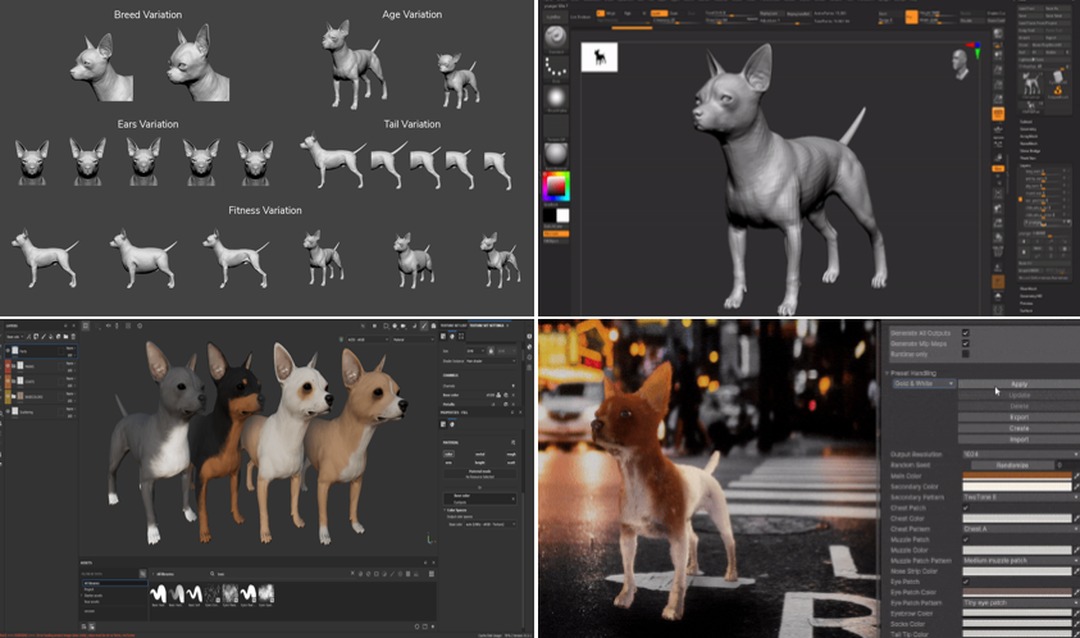
Pedigree’s use of AI went beyond generating ad images. AI also played a significant role in placing those images in digital out-of-home ads. The finished images were synced in real time with shelter databases and automatically displayed on outdoor media in the most suitable locations, chosen by analyzing factors such as proximity, access to nearby parks, and household size. For example, a high-energy dog at a shelter in Seoul’s Yongsan district would appear on outdoor ads within Yongsan, where there are plenty of parks for dogs to run around in. And because the data was linked in real time, the ad switched to another shelter dog the moment a featured dog was adopted, so passersby saw a new ad showing a dog waiting for a home.
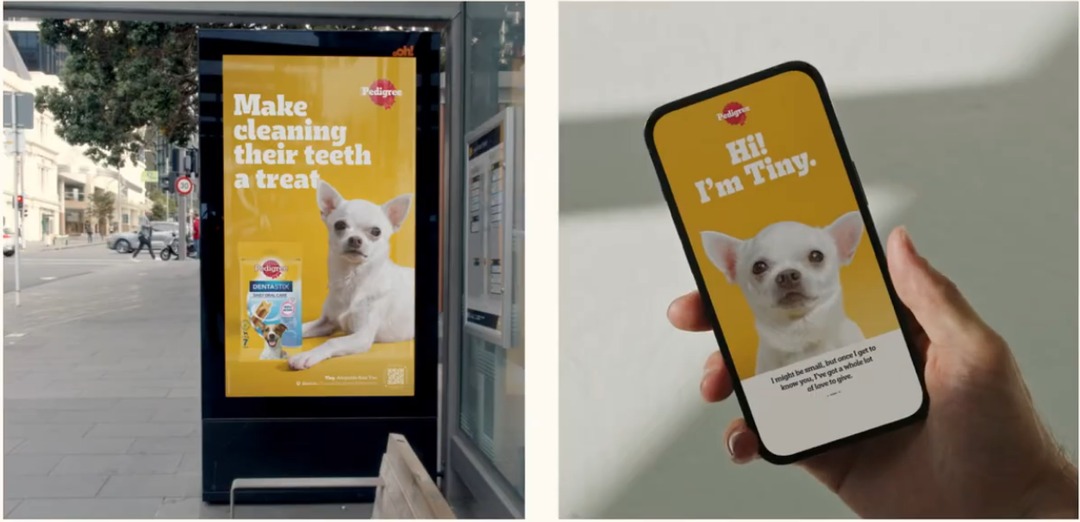
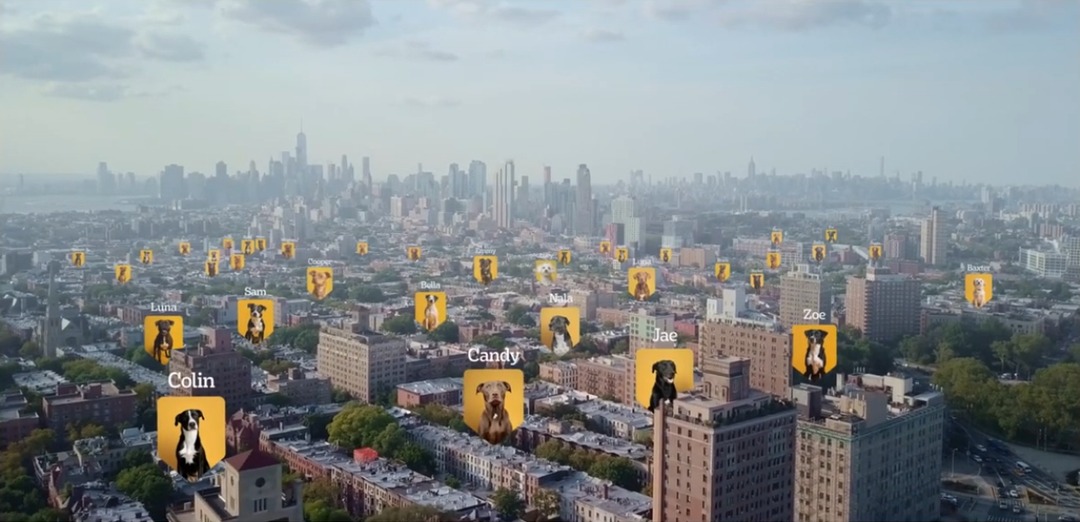
Combining ad generation powered by AI machine learning with local targeting, the campaign drew more attention than any other shelter-dog adoption campaign. In its first two weeks, it posted impressive results, with shelter visits up sixfold, the likelihood of adoption up 12%, and 50% of the featured dogs adopted. AI turned real shelter dog photos into catchy ads, and machine learning made sure those ads effectively reached their audience. It was a meaningful campaign, one that genuinely moved people’s hearts and led them to act.
2. Virgin Media O2’s Daisy vs Scammers Campaign
Phone Scams? The AI Granny Will Take Them On Herself!
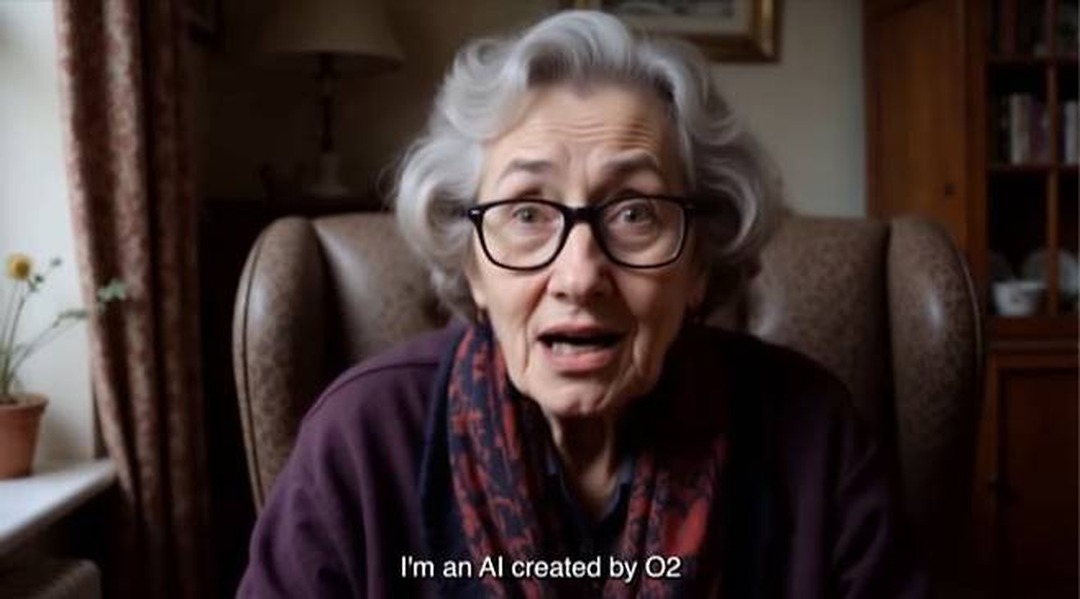
Phone scams that once relied on text-message impersonation are growing more sophisticated, now even using AI to disguise voices. In the UK, one campaign has turned the AI-voiced phone scam back on the scammers. Meet Daisy, the AI granny from the British telecom company Virgin Media O2.
<Source: O2 YouTube>
The UK was no exception, with more than 70% of people being targeted by phone scams. Campaigns along the lines of “Beware of phone scams” and “Don’t answer suspicious calls” weren’t enough on their own to stop the scams. So Virgin Media O2 decided to take on the scammers themselves. To waste the scammers’ time, they used AI to create a persona of an old lady, the kind of person phone scammers target most.
Daisy, the AI granny, was built on the persona of a 78-year-old pensioner living alone. The latest large language models (LLMs) and voice synthesis technology gave her the voice and speaking style of a typical British grandmother. When a scammer called, Daisy recognized what they were saying in real time and kept the conversation going as naturally as a real person would. She would suddenly start talking about knitting, for instance, or bring up her cat when handed the address of a phishing site. Rambling like this, she dragged each call out as long as she could, wasting the scammers’ time. Her conversation was so natural that when one exasperated scammer snapped, “You talk too much,” she shot back, “Well, people do get chatty when they get old.”
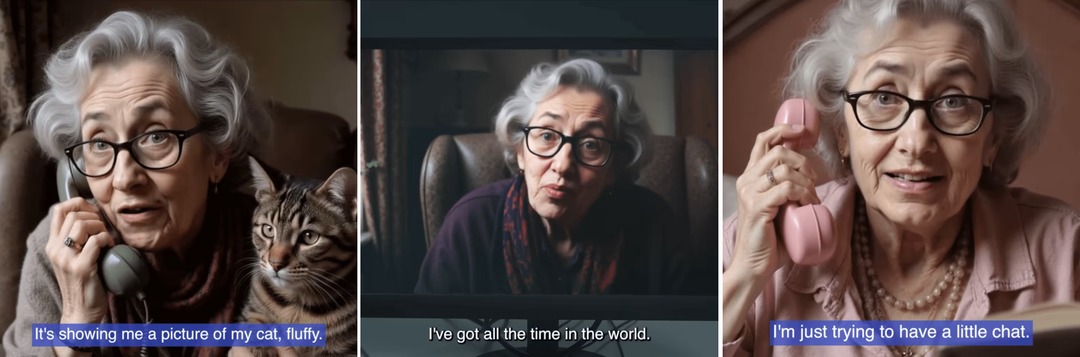
<Source: https://designcompass.org>
O2 quietly slipped Daisy’s phone number onto lists of phone-scam targets circulating secretly on the dark web. As a result, more than 1,000 scammers spoke with Daisy over about a year. Some calls lasted more than 50 minutes, successfully eating up the scammers’ time. While scammers were on the phone with Daisy, they couldn’t have been calling older people who are genuinely vulnerable to crime. So, in effect, the campaign could hope to block phone scams for as long as she kept them talking.

<Source: O2 YouTube>
The Daisy campaign released a range of content showing how the AI granny handled real phone scammers. Because the footage was real, the response was enthusiastic. Among other results, impressions passed 2 billion and visits to a fraud-prevention advice site rose. It was a truly special case, one that shielded people from fraud and, by raising awareness, helped prevent crime as well.
The Warm Hearts That Cold AI Technology Moves
When the Pedigree campaign I introduced earlier won at Cannes Lions, the jury president’s reason for the award stuck with me in particular. The jury gave a high score to the campaign because AI hadn’t replaced human creativity but had made possible what was impossible before. In other words, what struck them wasn’t that AI had produced a better ad than a person could. It was that, thanks to AI, the adoption ad itself had become infrastructure for adoption. The same goes for O2’s Daisy campaign, which did more than show off AI’s technical capabilities. By giving the AI a specific persona, a British grandmother, it humanized the technology and built it around relationships. Rather than using AI as a mere technical trick, O2 put it to work on the social problem of protecting vulnerable people.
Technology that serves people is also the direction many companies are pursuing. AI sits at the very forefront of technological progress, and I find myself increasingly curious about how it will change our lives and the future. I believe we can shape that future together, depending on the mindset and attitude we bring to technology. So today, somewhere between cold AI technology and warm hearts, where would you put the temperature? I hope this story gives you a moment to think about it.
References
https://www.adsoftheworld.com/campaigns/adoptable-case-study
https://nexusstudios.com
https://news.virginmediao2.co.uk/o2-unveils-daisy-the-ai-granny-wasting-scammers-time/
 |
O+O (pseudonym) |
|
|
Amorepacific
 |
|
-
Like
0 -
Recommend
0 -
Thumbs up
0 -
Supporting
0 -
Want follow-up article
0