



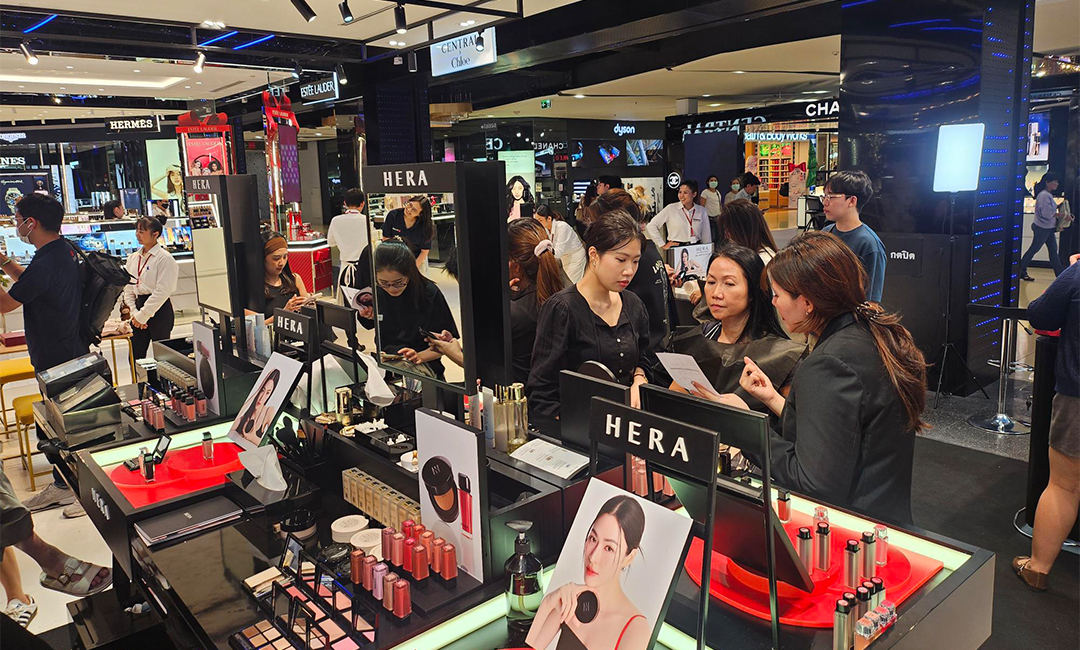
1. The 2026 Keyword That Started with a Cookie Story
“Have you tried Dujjoncoo yet?”
These days, conversations often start by asking whether someone has tried ‘Dubai jjondeuk cookie.’ At a recent gathering of four people, I was surprised to find that everyone except one had tried it (myself included, haha). Opinions about Dujjoncoo are all over the map: “There’s no Dujjoncoo in Dubai,” “If you’re going to spend that much money, just go to Dubai instead.” When I first heard about it, I found it puzzling that people would get so excited over a snack rather than an actual brand. That’s when the phrase ‘experiential luxury’ suddenly came to mind.
It’s one of the keywords that stayed with me from author Gilyoung Song’s lecture on ‘food texture’ at the company. The talk included a rather startling statement: ‘Brands no longer matter.’ As someone working for a major beauty brand, that gave me a lot to think about. But I felt reassured when he added a more hopeful perspective—that in this flood of brands, it’s actually the ones with established heritage that will survive. Once I heard the full context, it made sense. Cosmetics can be about value for money, but they’re also an investment in yourself. Scarcity, a bit of indulgence within an affordable range—that’s what I think of as experiential luxury.
While ‘experiential luxury’ contains the word ‘luxury,’ it doesn’t mean showing off expensive things. It’s about valuing the intangible—the experiences, sensations, and stories that products or services provide. In that context, I think the ‘Dujjoncoo boom’ connects to cosmetics consumption patterns. People now open their hearts and wallets for a single photo opportunity or a brief moment of experience.
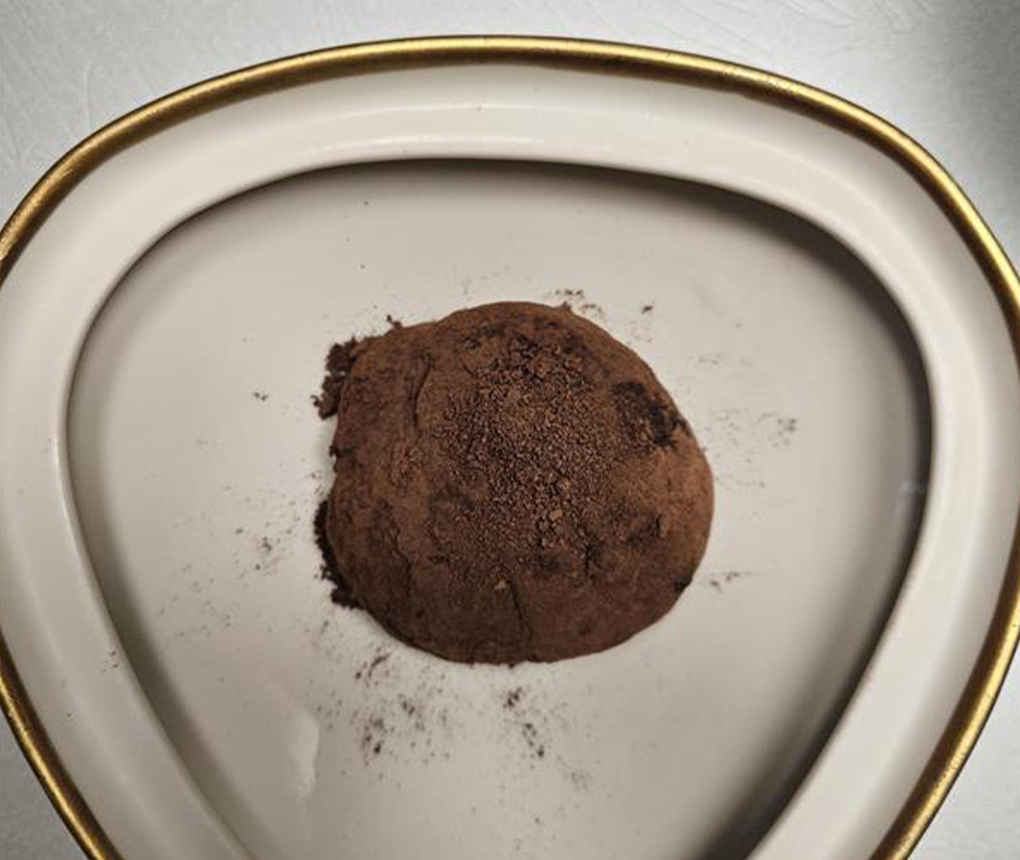
<I bought this adorably tiny thing for 6,500 won>
2. What Are You Looking For Today?
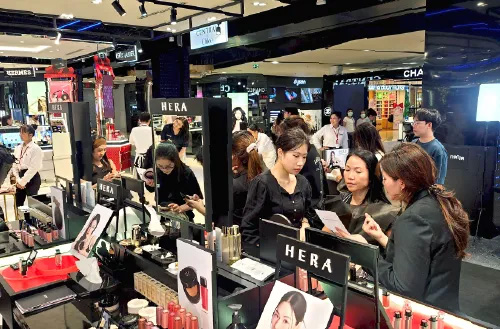
Working in stores, I’ve noticed cosmetics customers are also engaging in ‘value-based consumption.’ In the past, customers would come in with celebrity photos and say, “Please give me what she’s wearing.” Emulating someone else’s image was the most reliable standard of beauty. Yes, signature shades are universally appealing because they work for most people. But today’s customers have different consumption patterns. They clearly ask, “What would suit me?” or “I want to find products that match my ideal look.”
Meeting these diverse customer requests is challenging. Customers are actively pursuing what makes them ‘them.’ Being true to yourself... It feels somewhat paradoxical that in this era, when brands tout ‘be yourself’ in their commercials, and customers pursue their own authenticity, people still frequently undergo identical cosmetic procedures. That said, one thing remains a key priority: ‘inner peace.’ Most people seem to agree that peace of mind is the element that best reveals authentic beauty.
3. A Peaceful Mind, Beauty That Shows on Your Face
As the Year of the Fire Horse began, I asked everyone I met about their New Year’s resolutions. I was curious about what direction others were heading. With so much to learn and do, I felt like my ambitions were racing ahead of me, and I needed some comparative perspective. Nearly everyone had set goals, such as eating healthier and exercising more regularly. They’re seeking both physical and mental well-being.
Health inside and out. This theme shows that a ‘comfortable presence’ has become just as crucial as looking youthful. Being told ‘you look good’—meaning you appear relaxed and settled—feels great both to hear and to say.
<2026 Pantone Color, Cloud Dancer>
4. The 2026 Pantone Color That Speaks to Peace of Mind
The 2026 Pantone Color of the Year is ‘Cloud Dancer,’ a cloud-like white. Vogue described it as ‘a lofty white that serves as a symbol of calming influence in a society rediscovering the value of quiet reflection.’ #Serenity, #Relief, #Composure—these are the words that describe Cloud Dancer. A color representing peace of mind has become the year’s signature shade.
White is generally perceived as a classic color that suits any industry rather than a trendy one. After all, don’t we reach for neutrals when we can’t decide what to wear? Neutrals can sometimes feel emotionless and, at first glance, ordinary. That’s precisely why Cloud Dancer, with its bright, clear quality, offers comfort.
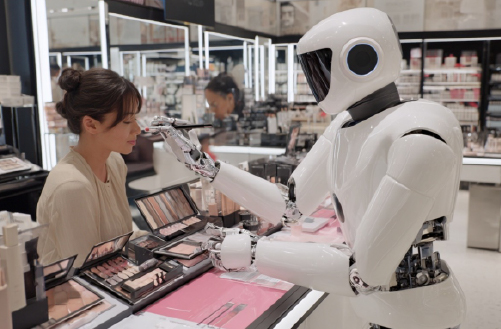
<Video of someone finding healing through cosmetics_Midjourney>
5. True Beauty Revealed When Your Mind Is at Peace
What does ‘being true to yourself’ really mean? Is it your personality? Your outward image? If you want to appear strong but are actually sensitive inside, how do you explain that? Unable to define it in a single sentence, questions multiply endlessly. On days when you can’t do the grooming you want, you feel inexplicably down. On days when your makeup turns out perfectly, you feel confident for no particular reason. Perhaps ‘being yourself’ emerges from these emotional shifts.
‘Being true to yourself’ probably doesn’t start with others’ perceptions but with accepting yourself as you are. Yet paradoxically, people still seek standards—points of comparison, reference images, and some vision of who they want to become.
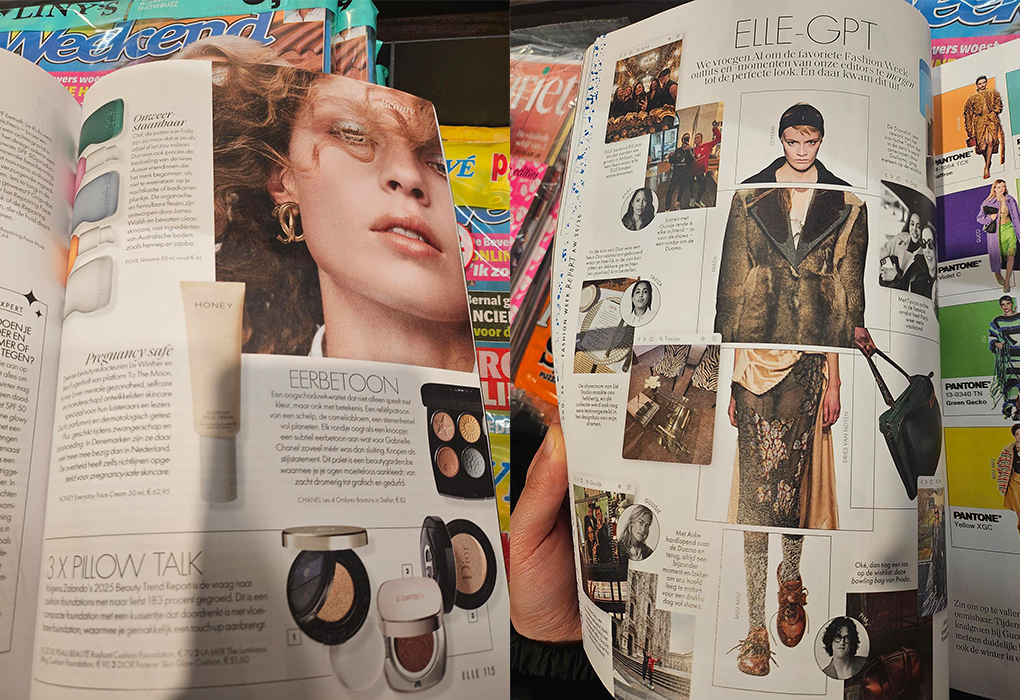
<Fashion magazines photographed at a bookstore during an overseas business trip>
Isn’t our role in all this to help customers discover what feels authentically ‘them’? The process itself becomes a new experience, and we serve as a bridge to help that experience ultimately translate into value.
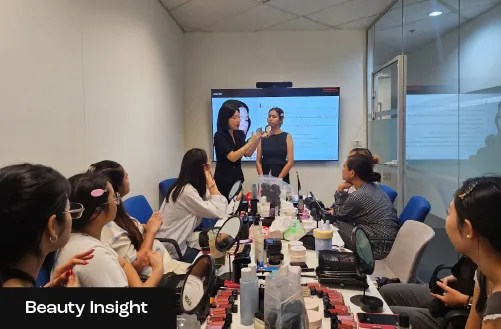
At our stores, we emphasize training in kindness, attention to detail, and expertise. To create HERA’s distinctive identity, we’ve consistently studied other brands’ service guidelines and customer engagement approaches. Some brands engage with customers based on skin analysis results, while others offer consultations centered on personal color analysis using facial tone as the foundation. Meeting with global customers, we’ve noticed one common thread: they prefer the mood of ‘authentic Seoul beauty’ over ‘localized Seoul beauty.’ A refined yet natural-looking complexion and image—they seem to want to experience a journey toward finding themselves in a peaceful state.
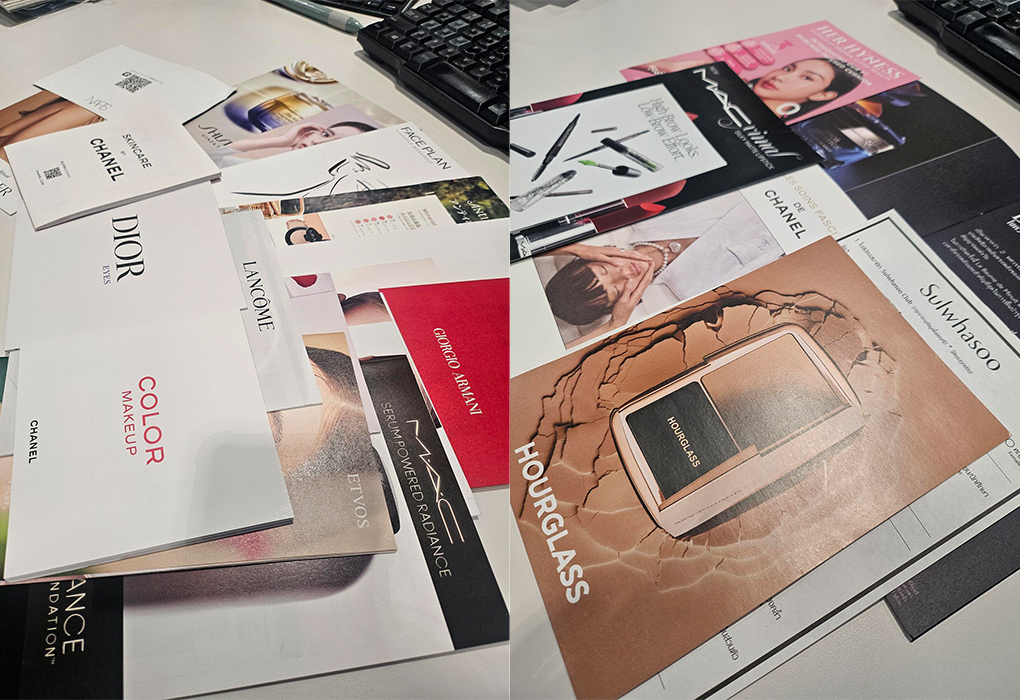
<Pamphlet photos collected from Japan and Thailand>
6. Ultimately, Beauty Is About Mental Wellness
A Marie Claire column puts it well: “Skincare and makeup aren’t simply acts of enhancing appearance—they’re a form of mental care that contributes to emotional stability and recovery.” I deeply relate to this statement. Mental care also plays a role in creating beauty. While preventing stress matters, actively generating positive hormones matters just as much.
Among these, serotonin—the happiness hormone—has been on my mind lately. One practice I’ve adopted is taking a 15-minute walk after lunch. A 2020 psychology study from the University of Rochester also notes that ‘self-care acts like light walking stabilizes the brain’s reward circuits and promotes serotonin secretion.’ Maintaining your own beauty is ultimately intertwined with the process of calming both body and mind.
From the Dujjoncoo phenomenon to consumption patterns of actively seeking out specific products, watching these trends unfold right as 2026 began has been a striking reminder of how quickly things change. These shifts are affecting the artist’s role as well. Conversations with customers have become much deeper, and artists are evolving beyond mere information providers into curators. The role of reading customers’ tastes, lifestyles, and moods while considering their emotional well-being has become essential.
 |
Minkyung Cha |
|
|
Amorepacific


|
|
-
Like
0 -
Recommend
0 -
Thumbs up
0 -
Supporting
0 -
Want follow-up article
0