


#FANTASTIC CREW
2026.10.21
0 LIKE
22 VIEW
-
-
- 메일 공유
-
https://stories.amorepacific.com/en/amorepacific-protecting-the-mountains-step-by-step-clean-hikers-pick-up-natures-tomorrow
Protecting the Mountains, Step by Step: Clean Hikers Pick Up Nature’s Tomorrow
FANTASTIC CREW Season 2 <Clean Hikers>
Less Plastic, We Are Fantastic
FANTASTIC CREW is Amorepacific’s plastic-reduction campaign, working toward a culture where we use less plastic and collect it properly so it stays in use longer instead of being discarded. Season 1 connected plastic-reduction practices with a variety of hobbies people enjoy in the city, suggesting environmental habits anyone can keep up in everyday life. Season 2 takes those practices out into nature.
With ‘FANTASTIC CREW in NATURE’ as the concept, six action crews are out collecting plastic themselves in places all over the country, including the sea, the mountains, and the city. We hope to spread a culture of plastic reduction far and wide by sharing how each crew does its work and the stories behind it. Here is the final story.
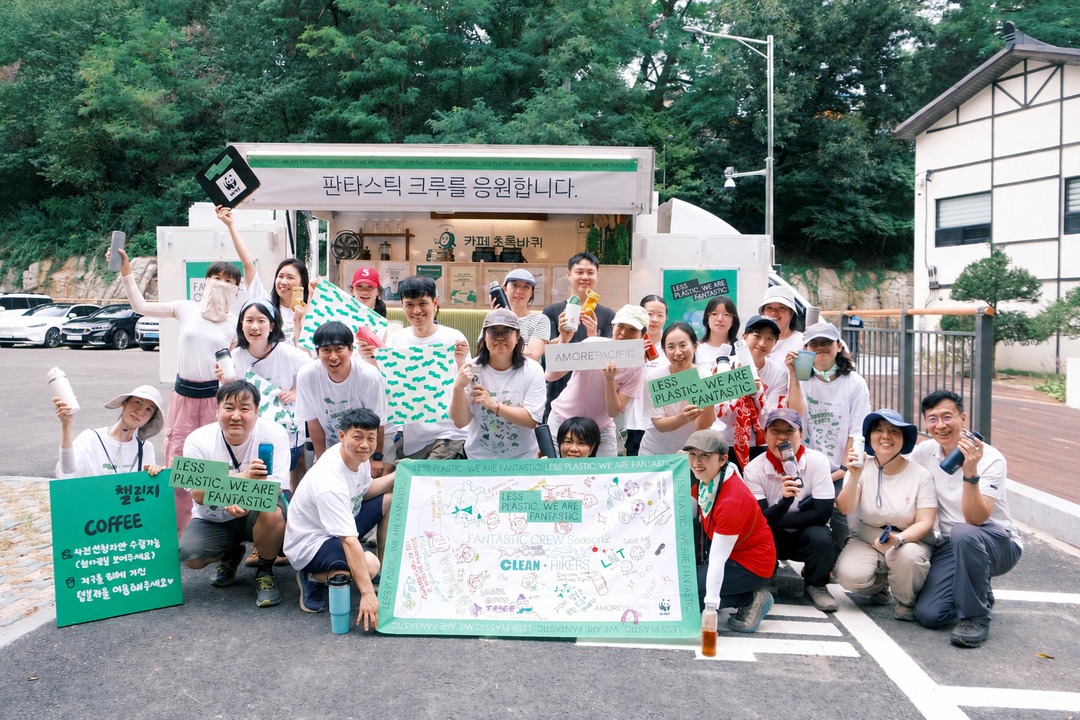
Tell us about Clean Hikers, the group that keeps up fun environmental action out in nature.
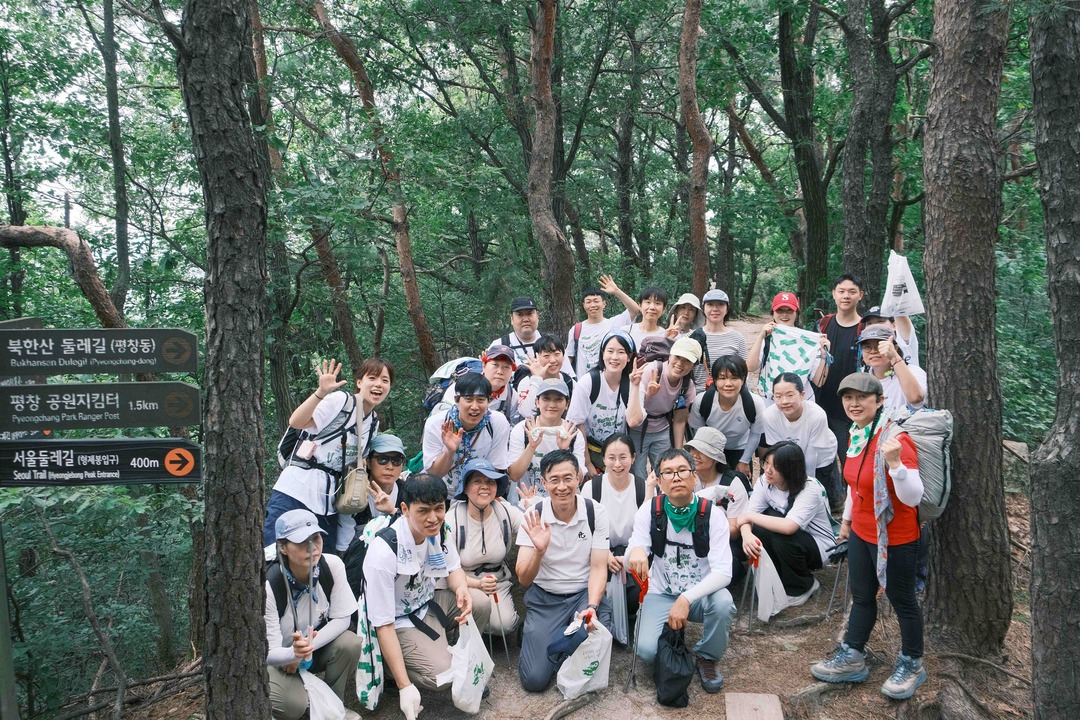
Clean Hikers is a social community that began with ‘clean hiking’ and has since brought eco-friendly practices into a range of outdoor activities. By adding art and play to environmental work, we’re building a sustainable outdoor culture that anyone can enjoy and carry on, with activities such as clean backpacking, clean riding, and clean canoeing.
We started in Seoul and have since expanded, with regional teams in Jeonbuk, Yeongnam, and elsewhere. This year, we’re running the ‘Keuldongyeojido’ project, whose name is a play on Daedongyeojido, the famous 19th-century map of Korea. We’re visiting mountains and regions across the country to complete a single map through clean hiking. Beyond picking up trash, we’re changing how people enjoy nature and the culture around outdoor hobbies, with the goal of raising a community that isn't just nature-loving, but rather loved ‘by nature.’
Q1. When did you first become interested in plastic reduction?
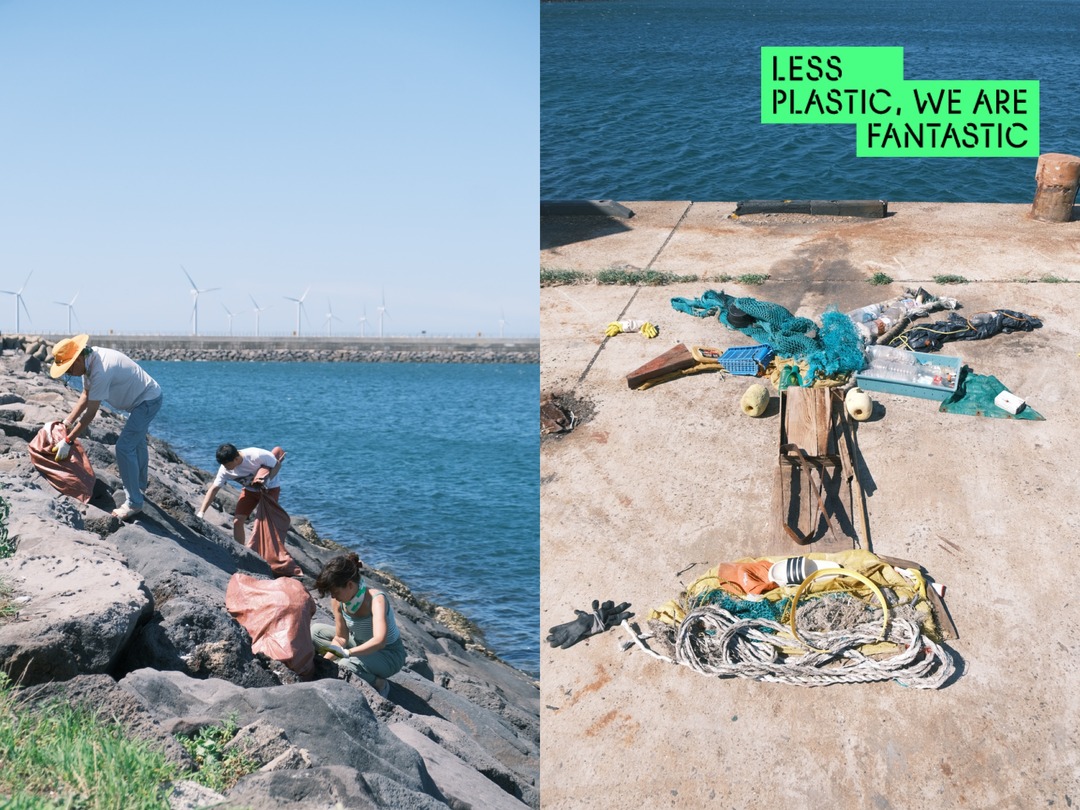
When we climb mountains, we come across as many sad sights as beautiful views. We find trash such as snack bags, PET bottles, makgeolli (rice wine) bottles, and disposable bowls and cutlery left all over the mountains. The ribbons hiking clubs tie to mark trails also rot in the wind and rain over the years, come apart, and become another kind of trash. Sometimes we even find trash that has lasted for decades, like a ramyeon wrapper with a printed price of KRW 25. Faced with traces like these, which don’t easily disappear, we felt that protecting nature can’t stop merely at ‘leaving no trace’; we had to extend into working together to actively erase the traces already left behind.
It really began with a sunrise hike on Jirisan Mountain in 2018. We saw trash dumped all around the cooking area, and after coming down the mountain, we posted what we’d seen on social media. One by one, people who felt the same way gathered, and we began climbing mountains together, picking up trash, and talking about nature. What started as a small sense that something was wrong grew into a social community many people are part of, and it has continued for nearly eight years.
Q2. Why did you decide to join FANTASTIC CREW with Amorepacific?
Over the past few years, we at Clean Hikers have been building a new eco-friendly outdoor culture, planning and trying out our own clean hiking, junk art, clean backpacking, trash-picking competitions, and more. That process was fun and meaningful in itself, but we felt that to make a bigger difference, we needed to work with a range of partners and broaden our reach.
We’d been watching with interest as Amorepacific continued its environmental work, such as empty-container collection and upcycling, and we’d even taken part in a related campaign. We joined FANTASTIC CREW Season 2 to share Clean Hikers’ field experience and ideas more widely and help more people enjoy trying eco-friendly practices.
Q3. If there’s a moment from your time with FANTASTIC CREW that stands out most, tell us about it.
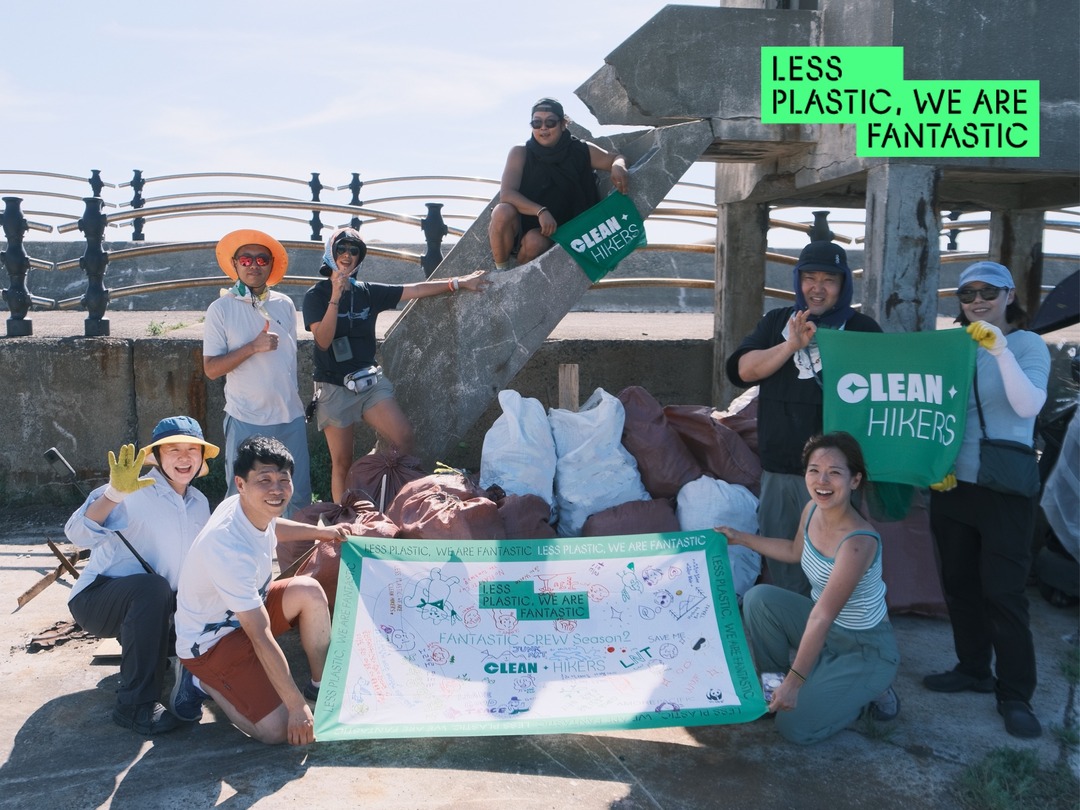
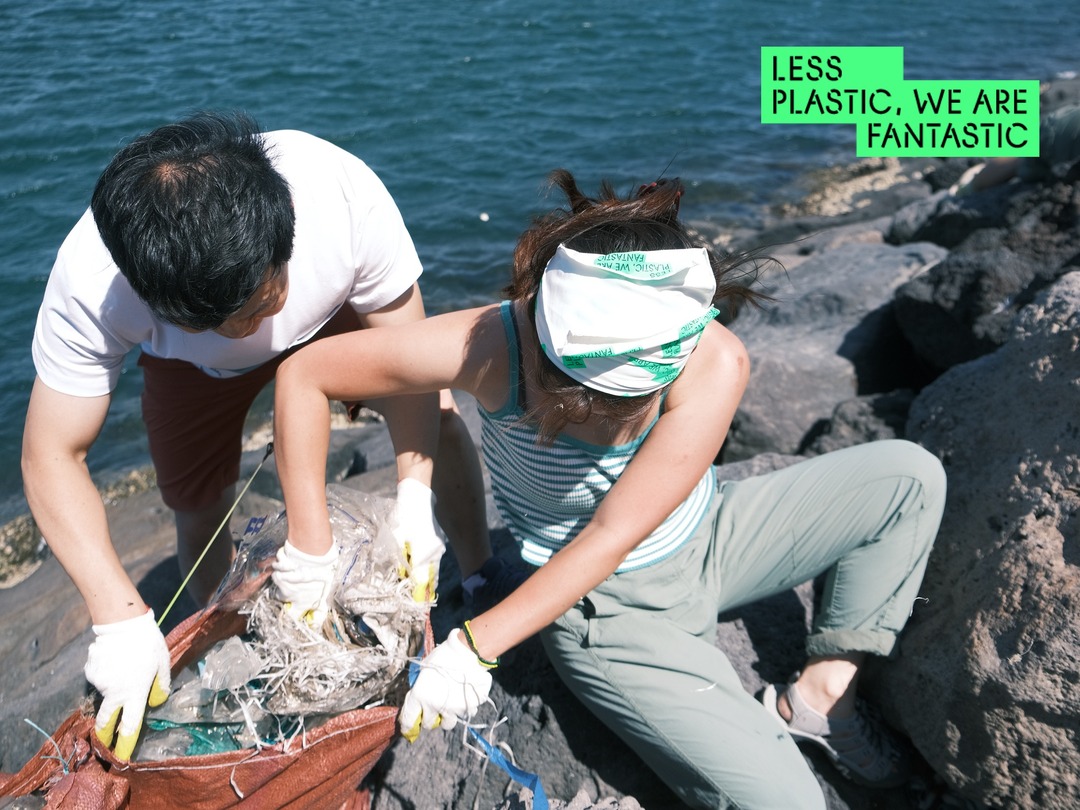
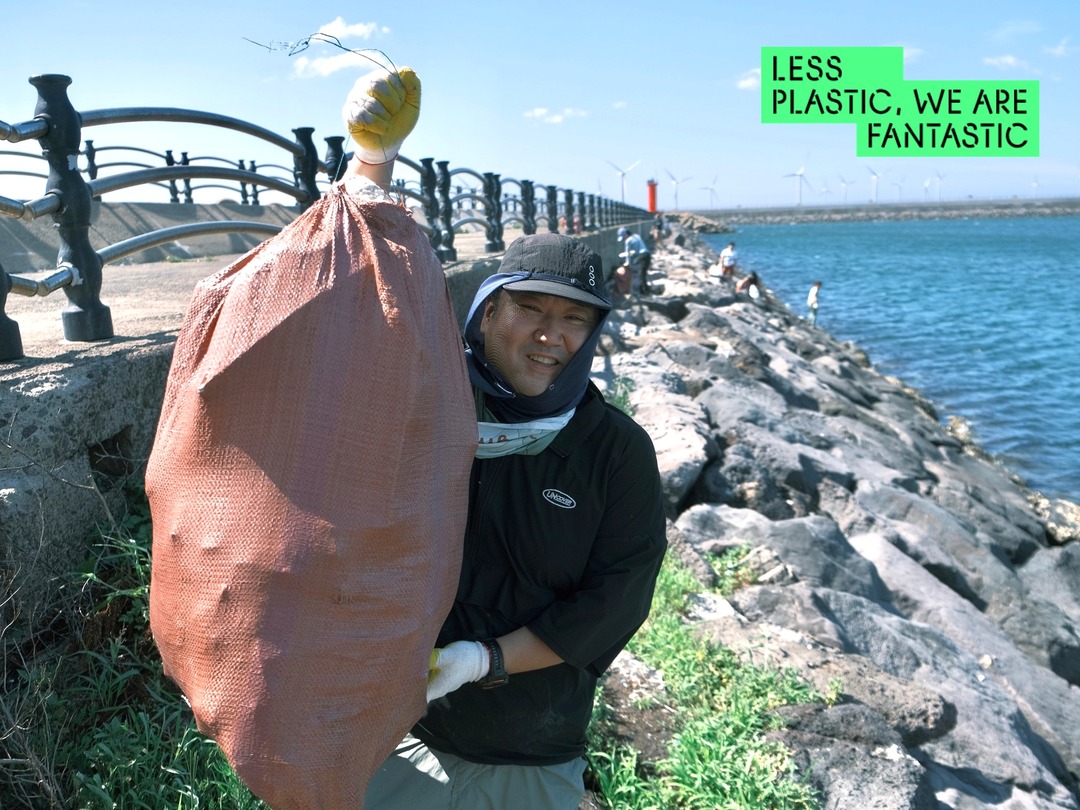
Our outing at Hallim Port in Jeju stands out most. The wind was strong enough to trigger a high-wave advisory, and on top of that, there was a heat wave, so even setting up a single tent wasn’t easy. Even so, we went around Hallim Port with our crew members and, in a little over an hour, collected about 135 kg of trash, including plastic waste such as PET bottles, buoys, nets, and broken household items.
Even after we’d collected that much, a lot of trash we hadn’t managed to pick up remained at the site. It reminded us again that we can’t solve the marine debris problem in a single outing and that collection has to keep going. Because we went through such tough conditions together, the outing stayed with us all the more.
Q4. Has FANTASTIC CREW brought about any changes within Clean Hikers?
In Season 2, we moved beyond our usual setup, where the organizing team prepared a program, and participants joined in. This time, crew members were involved from the planning stage. We didn’t stop at picking up trash; we studied environmental issues, explored ways to reduce plastic, and thought them through together. While preparing, everyone contributed ideas and took on a role. We found that environmental work is more meaningful and more fun when we think it through and build it together than when we join a program someone else has put together.
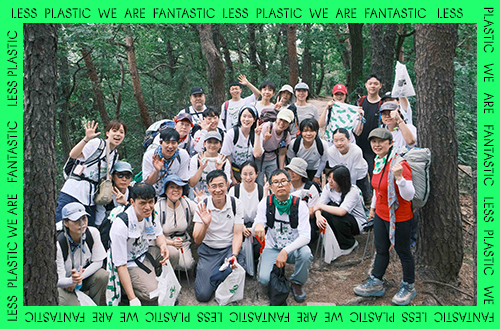
A wider age range of participants was another meaningful change. Several generations came together, from middle-aged couples to families with elementary and middle school children. They differed in age and background but got along naturally, united by the shared goal of acting for the environment, showing us the potential for more people to join in.
Q5. What are some ways to reduce plastic in everyday life?
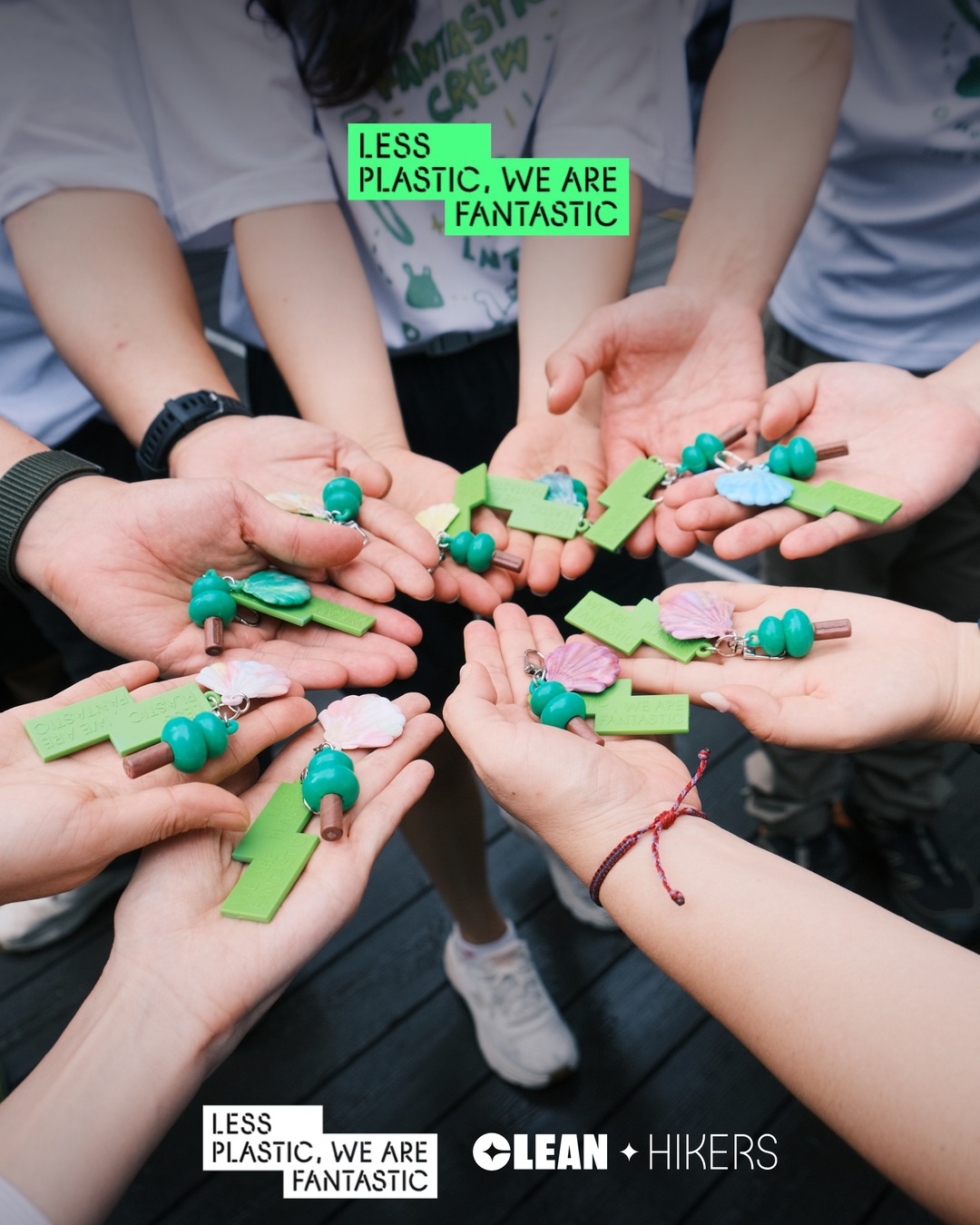
We cut down on wet wipes and disposable cutlery, and we use silicone zip bags or reusable containers instead of disposable zip bags. When we go camping or traveling, we also bring reusable food containers, our own cutlery, and tumblers. Not creating trash matters just as much as picking it up. That’s why, on crew outings too, we use our own cutlery and lunch boxes, and we carry tumblers or our own water bottles instead of bottled water. We believe that when small practices like these naturally become routine in everyday life and outdoor activities, a culture of using less plastic takes shape.
Q6. What efforts are needed to bring about social change?
We can’t stop at raising awareness of environmental problems. People need to take part themselves and feel that their own actions make a difference. When small individual actions add up to a visible result, the environmental message comes across far more effectively.
That’s why we’d like to run a participatory project where people build a giant 3D monster from plastic they’ve collected themselves. Over several weeks, participants record the types of trash they find in daily life and where they find it, and complete missions such as ‘One less single-use plastic’ and ‘Use your own containers.’ The more they do, the more the monster takes shape, little by little, and at a final event, they complete the artwork with all the plastic collected along the way. Small actions add up to a single artwork, and that artwork, in turn, draws more people to take part. Through the ‘Monster We Made’ project, we want to get environmental problems across more intuitively and spread a culture of plastic reduction in everyday life.
Q7. Were there areas where working with Amorepacific created extra synergy?
The greatest synergy was that Clean Hikers’ field experience and ideas, combined with Amorepacific’s campaign reach, let more people experience environmental activities in an approachable way. Participants from a wider age range than usual took an interest and joined in, and we met many people trying hiking, clean hiking, or an environmental campaign for the first time.
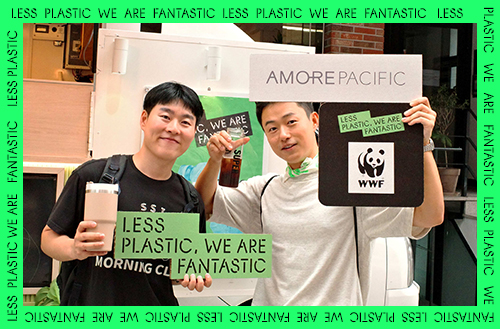
The FANTASTIC CREW merchandise and the coffee truck Amorepacific provided also brought extra energy to our outings. Participants enjoyed the process itself and found that environmental activities can be genuinely fun and appealing.
Q8. Is there anything you’d like to leave us with as a member of FANTASTIC CREW?
Protecting the environment never starts with something grand.
If you find yourself thinking, ‘I’d like to give it a try,’ start with a small action alongside people who feel the same way. Just like FANTASTIC CREW! Even something hard to do alone lasts longer and grows into a bigger movement when you do it together, and along the way, you’ll find new motivation and joy as well.
Small actions that start this way change not only nature but us, too. Clean Hikers will keep connecting people with one another and building an environmental culture that anyone can enjoy and stick with.
Q9. Finally, how would you sum up Clean Hikers’ journey with Amorepacific in a single phrase?
A Fantastic Festival!
It was a journey that brought all kinds of people together to act for nature and showed that environmental activities can also be a festival anyone can enjoy, where everyone motivates one another.
Learn More
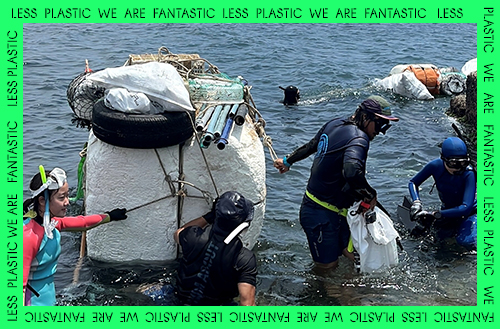
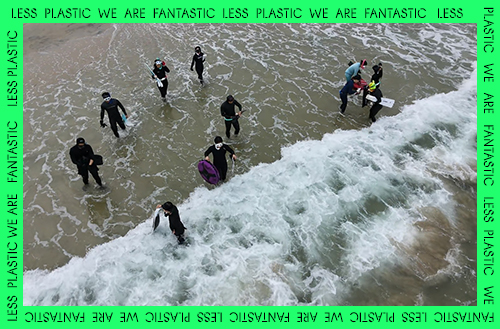
FANTASTIC CREW in NATURE. Seoul Forest and the city, the mountains and the waters off Jeju, and even beneath the sea’s surface. The six crews, each working at a different site, cut down on plastic in their own ways and brought action for nature to more people.
With this Clean Hikers story, the journey of the six crews of FANTASTIC CREW Season 2 comes to a close.
Curious about the earlier stories from FANTASTIC CREW Season 2?
#5 PLOVING KOREA, who go ploving to collect trash from beneath the waters off Jeju (Click)
Use less plastic. Collect it properly. Reuse it instead of discarding it.
So that plastic is no longer left meaninglessly on our planet.
Together, Amorepacific and everyone can make the world even more amazing.
Now, LESS PLASTIC. WE ARE FANTASTIC!
Discover more of the Less Plastic campaign in Amorepacific’s CSR magazine. (Click)
-
Like
0 -
Recommend
0 -
Thumbs up
0 -
Supporting
0 -
Want follow-up article
0