





At Amorepacific, members are creating New Beauty, each in their own role. MY CODE highlights the ‘thoughts on work’ that members have formed through their own experiences and choices. Following the thinking and execution behind brands and products, we set out to discover each person’s own way of working. Our second featured member is Seung Min Lee, who develops new beauty devices that combine skin science and advanced technology at the Beauty Tech Lab.
Preview. Seung Min Lee of the Beauty Tech Lab brings ‘the power to imagine how far a technology can extend,’ a skill picked up in patent work, to beauty device development, creating new at-home beauty solutions that combine cosmetics research with LED technology. Seung Min’s MY CODE is Imagine It Through.
A growing number of people are choosing easy at-home care with beauty devices instead of visiting a dermatology clinic. According to Opensurvey, 37% of at-home device users rely on them instead of aesthetic procedures, and 25% use them alongside procedures.1 Amid this shift, Amorepacific has been putting more than 70 years of skin research know-how into devices through its beauty device brand, makeON. One of them is Ribo Beam Volume, a beauty device that helps care for skin firmness every day. Meet Seung Min Lee, who is turning skin science and technology into products for customers’ everyday lives at the Beauty Tech Lab of Amorepacific’s R&I Center.
1. Opensurvey, Beauty & Aesthetic Procedures Trend Report 2026
PROFILE
Q. Hello. Please tell us a little about yourself.
Nice to meet you. I’m Seung Min Lee, and I develop beauty devices at Amorepacific’s Beauty Tech Lab. Most recently, I was in charge of developing the makeON Ribo Beam Volume.
Q. What does the Beauty Tech Lab do? We’re also curious about your own role there.
The Beauty Tech Lab combines skin science and advanced technology to research and develop new beauty solutions. We cover a wide range of areas, from devices that use various energy technologies, such as radio frequency and ultrasound, to convergence technologies that maximize the synergy between cosmetic formulas and devices.
As a device developer, I work with headquarters to plan new products based on customer needs and technology trends, and I’m involved in the entire process leading up to a product’s release, from core technology research through product design to efficacy and safety verification. I also handle a range of other work, such as writing technical documents that serve as supporting evidence for papers and product information; entering awards in Korea and abroad, including CES and the ASIA BEAUTYTECH AWARDS; and preparing presentations for new technology certification from the Ministry of Health and Welfare.
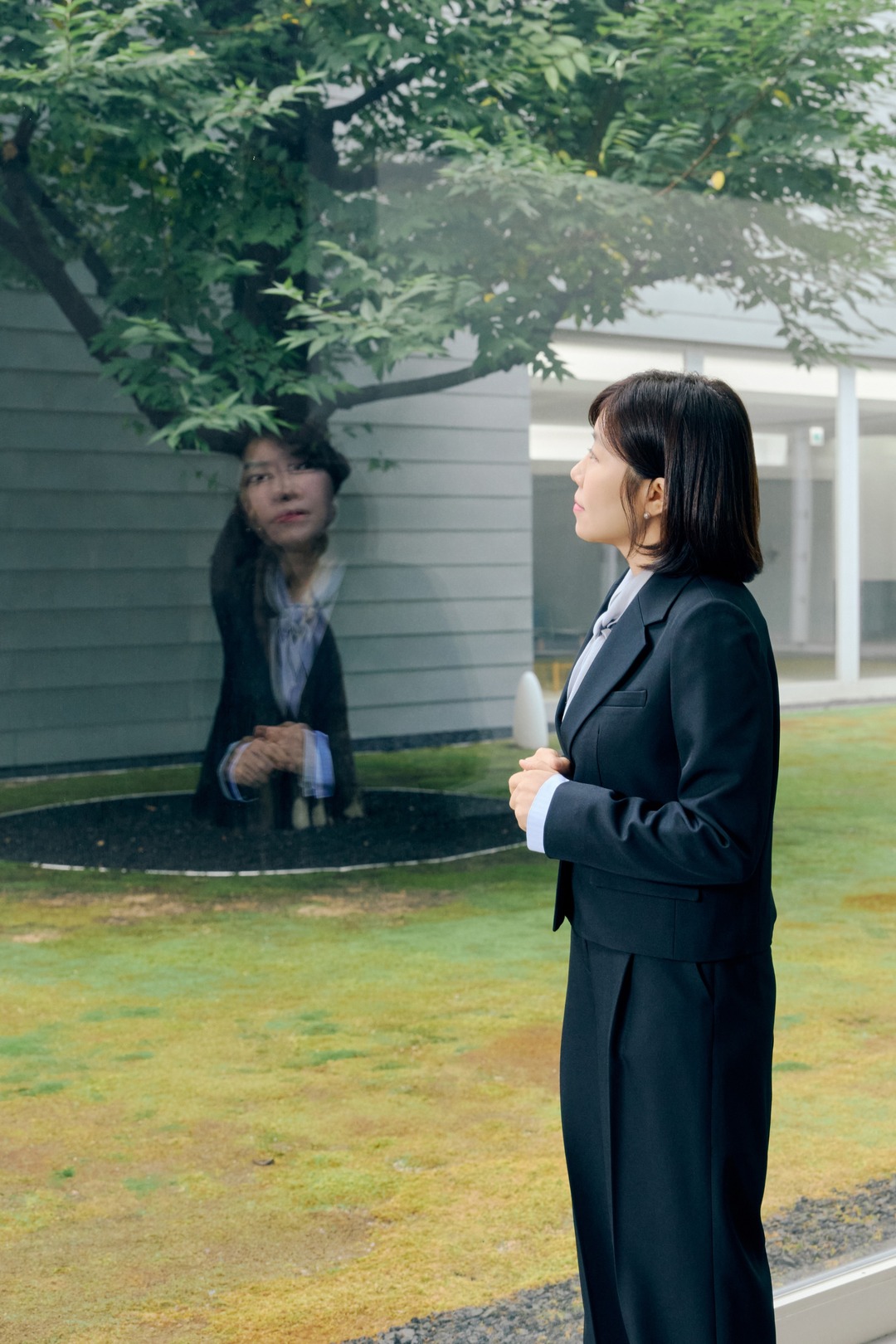
#Powered By Persistence — The Drive to See It Through
Q. First of all, congratulations on the launch of Ribo Beam Volume. Is there a moment from the development process that stands out in particular?
It was already known that riboflavin reacts to light, but no one knew what conditions it would take to bring about real change in the skin. We ran experiment after experiment under different conditions, but no noticeable change appeared, so early on I wondered a lot whether it was right to keep going with the research. But it would have been a shame to let go of everything we’d built up, so I couldn’t give up easily.
We were re-examining the conditions and repeating the experiments when we first saw an unexpected change in lip volume. I can still vividly remember how surprised I was in that moment. On top of that, we confirmed improved skin firmness and even a possible change in the jawline, which made me think we could extend the technology to the whole face. That idea led to today’s Ribo Beam Volume.
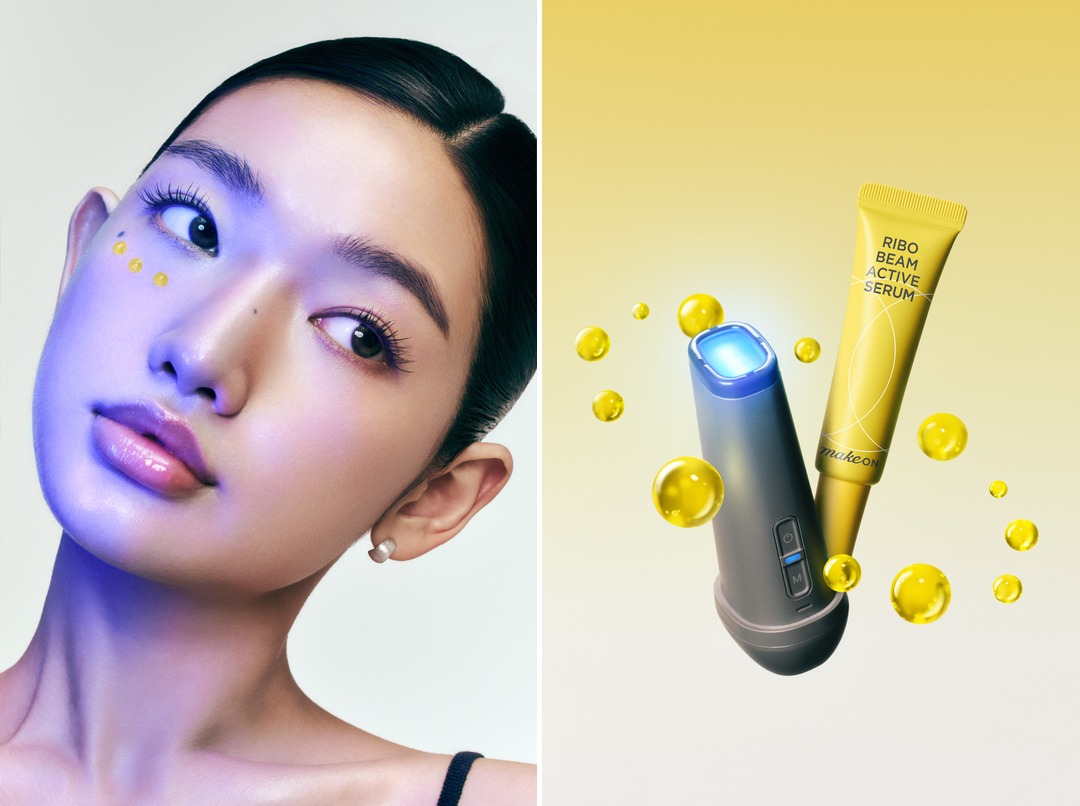
Q. Confirming a technology’s efficacy and turning it into a product must be two different things. Were there any difficult moments along the way?
As we prepared the product, the most important challenge was finding conditions that kept the effect strong enough while keeping it easy for customers to use. At first, we gradually increased the LED exposure time, testing up to 30 minutes. Naturally, the longer the exposure, the clearer the effect, but realistically, we felt 30 minutes was too much of a hassle for daily use. Raising the LED output could shorten the exposure time, but the heat would raise the risk of skin irritation.
In the end, we ran experiments to raise the light intensity while minimizing the heat reaching the skin, and then adjusted the spacing between the LEDs and the distance from the LEDs to the skin, one by one. After changing the conditions countless times and checking the results, we arrived at the light output and exposure conditions built into Ribo Beam Volume today. I wouldn’t say it was difficult; it was a long and grueling process, but I feel a certain satisfaction in having found the optimal conditions for the product.
Q. Despite countless condition adjustments and repeated experiments, what was your own driving force for keeping the research going?
From the moment we won an Innovation Award at CES 2024 for Lipcure Beam until now, not a single step came easily. But even in tough situations, I kept looking for a way through, determined to solve things. As I did, problems that had seemed unsolvable surprisingly started to work themselves out, one by one. Looking back, I think two things gave me a lot of strength: the will to see it through without giving up, and not wanting to let down the people who believed in me and cheered me on.
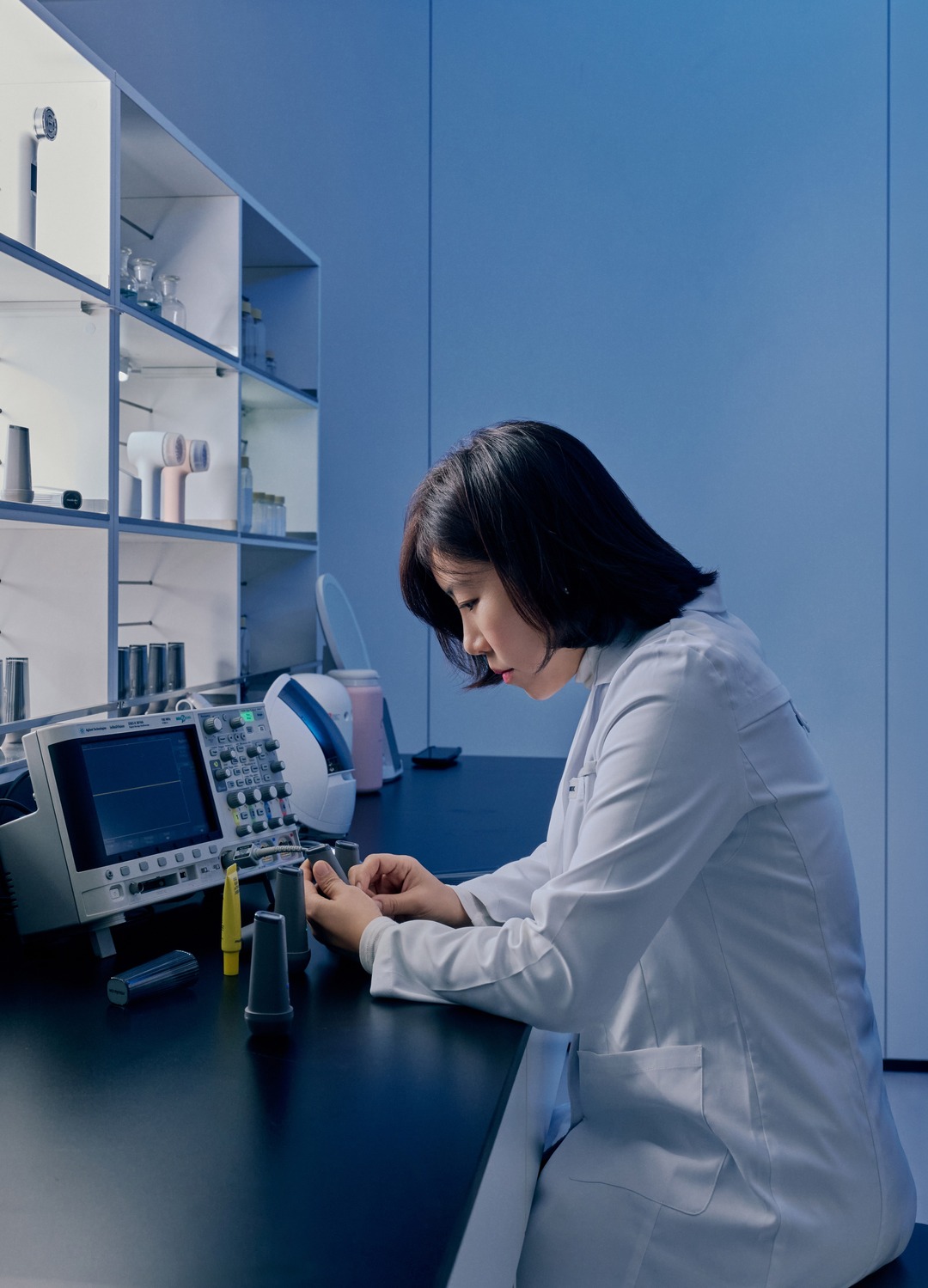
#From Patents To Prototypes — The Expertise to Understand Technology and Turn It into Real Products
Q. Seung Min, have you been developing beauty devices from the start?
I joined the company on another team and transferred later. I started out on the Intellectual Property Team, handling patents. I was responsible for patents at the Future Technology Lab (now the Beauty Tech Lab), and that gave me plenty of chances to watch up close as new technologies, like customized mask packs and beauty devices, became real products. At some point, I found myself thinking, ‘I want to develop new technology like that myself and turn it into tangible products you can hold in your hand.’ Then a good opportunity came along, and I was able to join the Beauty Tech Lab.
Q. Are there ways your previous work experience helps with your current work?
To create legally robust intellectual property, you need to imagine how far a single technology can extend. Thanks to my experience handling patents, I naturally learned to look at technology from different angles and consider new possibilities, and I’m grateful for that. It helps a lot when I need to plan new products. On top of that, when I need a breakthrough in something like a technical approach, I look through prior patents and sometimes find ideas I’d never thought of.
Q. What sets beauty devices made by a cosmetics company apart?
Amorepacific has been researching skin and cosmetic ingredients for more than 70 years. So I think our strength is combining that accumulated, one-of-a-kind cosmetics technology with beauty device technology to offer new benefits. Ribo Beam Volume also started with the question, ‘What kind of beauty device can we make best?’ Along the way, we focused on riboflavin, a cosmetic ingredient that reacts to light.
Looking back on the development process, we used our own nanoliposome technology to deliver riboflavin effectively to the skin, and we also ran experiments on human-derived skin tissue to find the optimal light output. I’d say the biggest competitive edge, not only for Ribo Beam Volume but also for the other makeON devices we’ll introduce in the future, is this fusion of beauty devices with technology built up through cosmetics research.
Q. What exactly is the principle behind Ribo Beam Volume’s benefits, such as improved facial firmness?
Simply put, the device uses technology based on riboflavin’s ability to react to specific wavelengths of light, which is how it can help improve skin firmness. These days, I feel the marks of time show up in the ‘lines’ all over the skin, like a sagging jawline or deepening nasolabial folds. Ribo Beam Volume was developed with these changes in mind to help improve skin firmness, reduce wrinkles, and shape tighter, smoother lines across the face. I’m also proud to say it can even care for the lips, which lose volume with age.
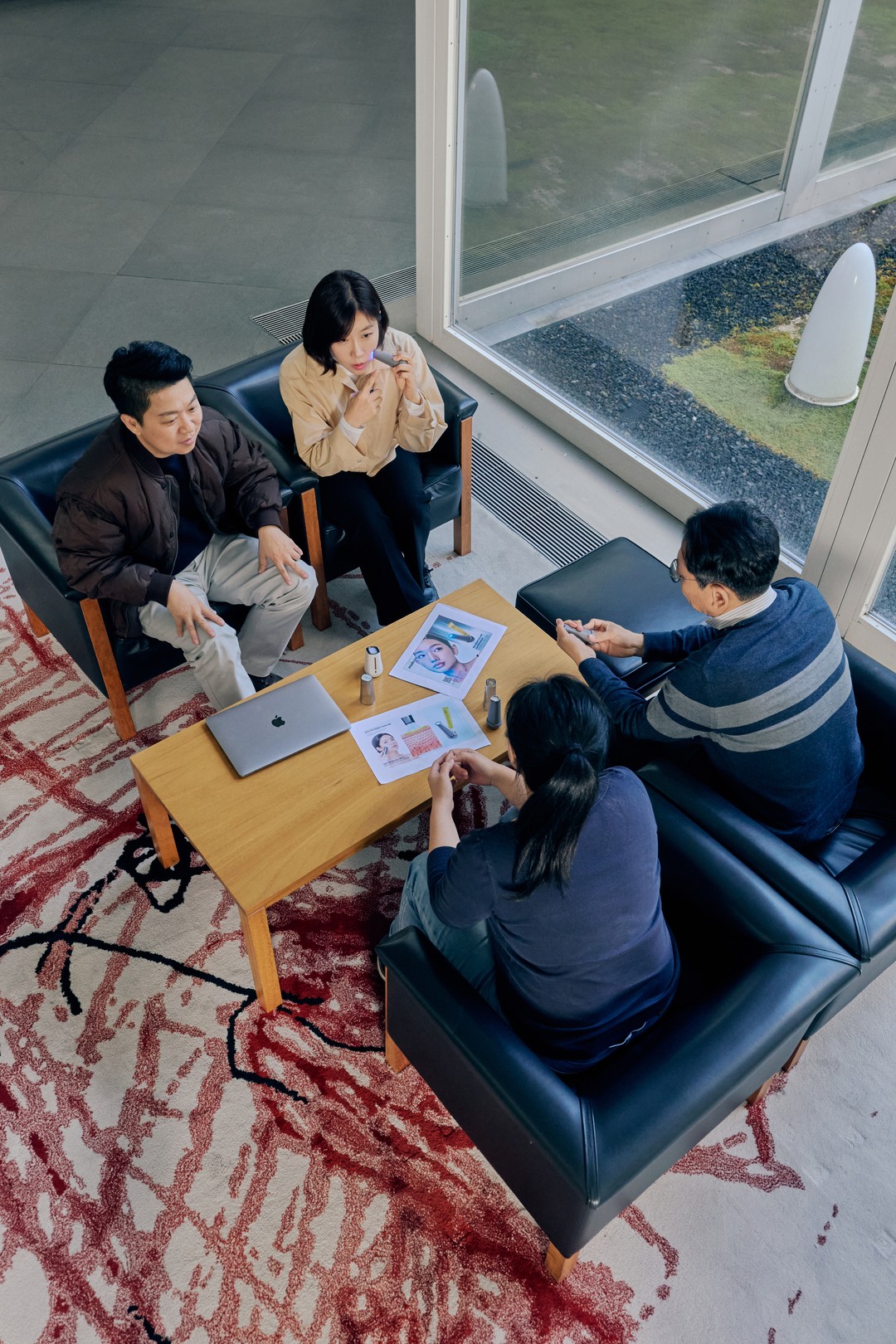
Q. Developing a single product must take collaboration with many related departments. Which teams were involved in developing Ribo Beam Volume?
Yes, people from many different fields pitched in. To name a few, there was the Skincare 5 Lab, which created the Ribo Beam Active Serum formula; the Analysis & Certification Lab, which analyzed skin absorption and helped us develop the optimal formula; the Materials Science Lab and the Bioscience Lab, which confirmed how Ribo Beam Volume works through experiments on human-derived skin tissue; and the Clinical Lab, which verified its real skin-improvement efficacy through human application tests. One of the joys of working at Amorepacific is being able to gain new knowledge and perspectives by talking with colleagues who have such different expertise.
#Effortless Beauty — Turning Technology into Beauty in Customers’ Everyday Lives
Q. We heard the response from the in-house trial panel before launch was very positive. Is there a review that stuck with you?
Some people told us the firmness results were so good that they couldn’t bring themselves to return their evaluation samples. That was when I saw a technical possibility born in the lab turn into a change real users could feel.
Q. Listening to you, it occurs to me that device developers are the bridge connecting technology and customers. Is there anything you do regularly to understand customers better?
I like to daydream. When there’s a customer group I’m curious about, I look up information on them and sometimes put myself in their situation. I imagine what their days are like, what they find inconvenient, and what they might need. When I think from the customer’s point of view like this, bits and pieces of information start to feel a little more three-dimensional, and sometimes I find hints for the next product.
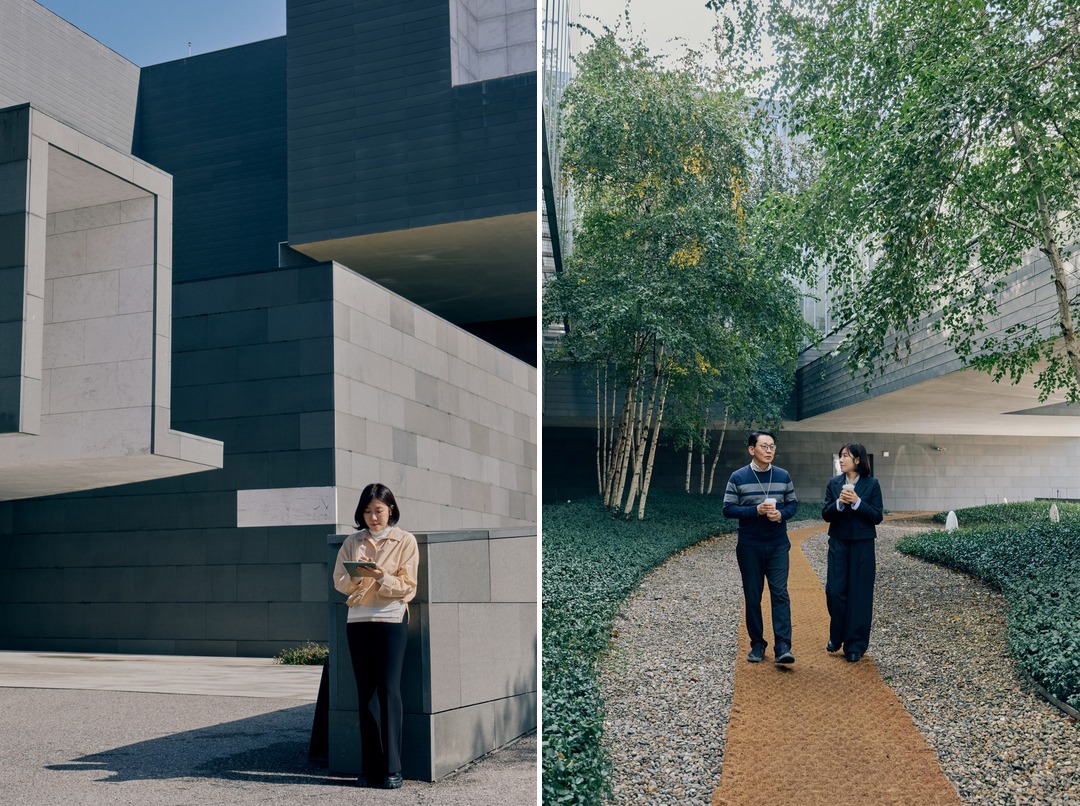
Q. Customers might not notice it, but is there a part or detail you consider especially important from a product developer’s perspective?
As a developer, what I value most is the balance between efficacy and safety. The technology itself might be highly effective, but that’s no good if customers can’t use the product with peace of mind, right? So beyond objectively verifying the technology’s effects, we carefully consider the various situations that could come up in real-world use. I believe all those unseen details and efforts add up to a product customers can use regularly without worry.
Q. Ultimately, what change do you want to bring to people’s everyday lives through beauty devices? Or is there a new product you’d like to take on down the road?
Home appliances such as washing machines, dryers, dishwashers, and robot vacuums have evolved to save people effort and make everyday life more convenient. I fully expect beauty devices to head in the same direction. That means helping anyone take care of their beauty with ease by cutting the cost and time skincare takes.
It may be a story for the distant future, but personally, I’d like to try making a device that lets you remove your makeup while lying comfortably on the sofa. I imagine that’s a wish for many people who wear makeup, not just me. For me in particular, it isn’t easy to pause a video I’m enjoying and get up to wash my face. I want to work hard on my research so that someday I can unveil it to you all with a ‘ta-da!’
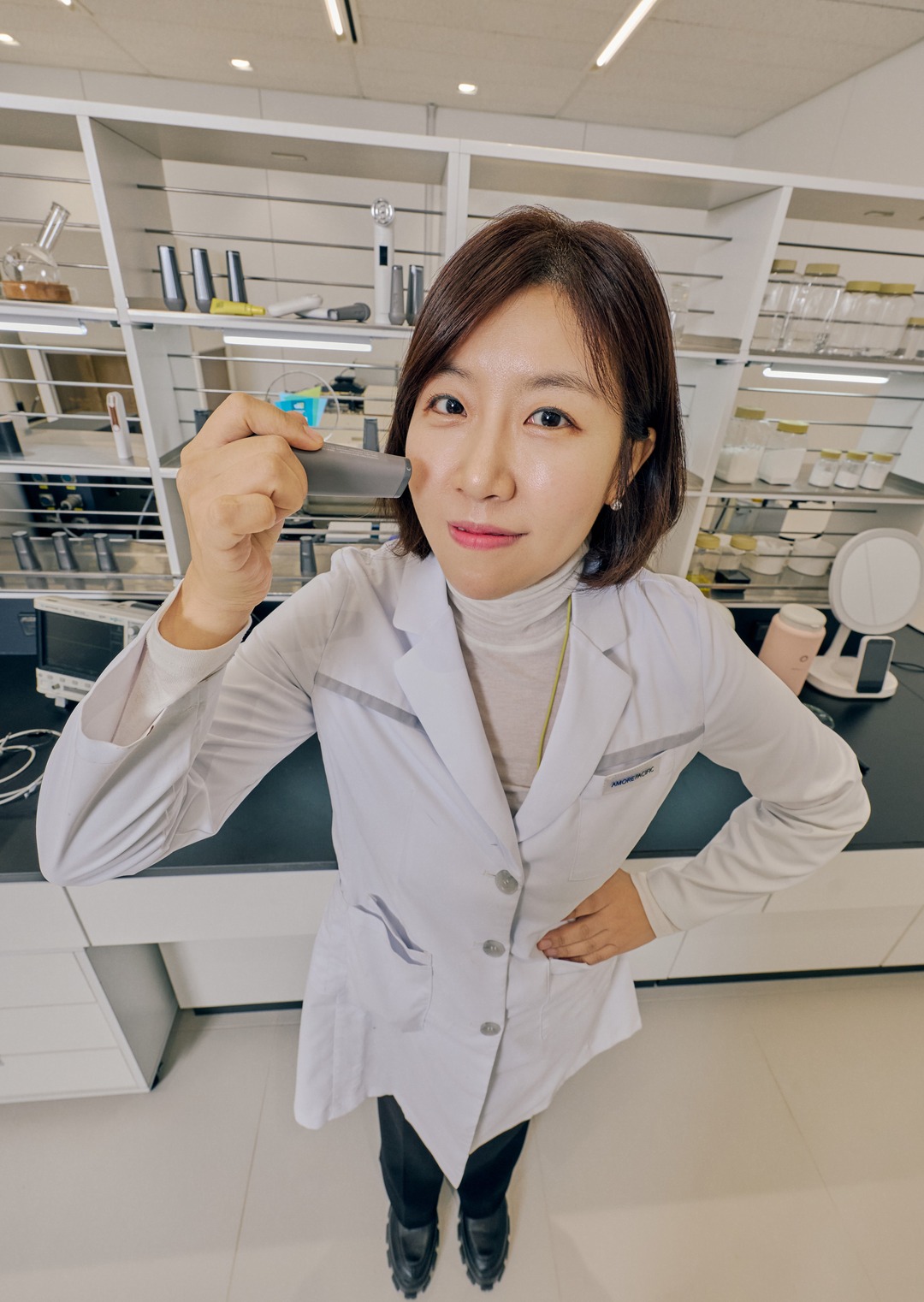
MY CODE — #Imagine It Through
Q. Bringing together everything we’ve talked about, if you had to sum up your own way of working in one keyword, what would it be?
The MY CODE that sums up my thoughts on work is ‘Imagine It Through.’ That’s because I don’t want to stop at imagining. I want to explore the possibilities through to the end and turn them into real results. In beauty device development especially, the ability to turn an idea into reality matters as much as imagination. I learned this from colleagues on my team who are great at execution: however good an idea is, nothing changes unless you try it yourself. It’s about running even small experiments yourself and finding a way by trying different approaches until you get the result you want. Ultimately, through the beauty devices born from this kind of persistent research, I want to make skincare not a chore, but an everyday pleasure anyone can enjoy easily and comfortably.
Seung Min’s CAREER NOTE
Q. What skills matter most for a beauty device R&D role? Is there any experience you’d recommend to job seekers?
Beauty devices are products that bring together technologies from many fields, so researchers come from a range of majors, such as electrical and electronic engineering, biomedical engineering, and mechanical engineering. That’s why I’d recommend building your own expertise while also gaining experience on projects where you communicate and collaborate with people from other majors to produce a single result.
Q. What do people often misunderstand about the role, or picture differently from how it really is?
People tend to think beauty device development is about designing and building the device’s hardware, but in reality it covers a much wider range of areas. For one, it’s important to discover new technologies based on an understanding of skin science and turn them into product efficacy. Beyond verifying efficacy and safety, the role also involves reviewing the many factors needed to bring a product to market, such as design, usability, and manufacturability.
△ See more of the makeON Ribo Beam Volume -> Click
-
Like
0 -
Recommend
0 -
Thumbs up
0 -
Supporting
0 -
Want follow-up article
0