




- Study demonstrates simultaneous inhibition of melanin production and removal of residual pigment… proposes a new approach to an unmet challenge in hyperpigmentation care
Amorepacific discovered that a culture extract derived from its proprietary microbiome strain, Bacillus velezensis AmoreLumina, may help improve post-inflammatory hyperpigmentation caused by acne. The findings were published online in August in the international academic journal International Journal of Molecular Sciences. (Paper title: "Moranoline-Enriched Bacillus velezensis AmoreLumina Culture Extract Attenuates Post-Inflammatory Hyperpigmentation in Acne-Prone Skin")
Acne not only causes skin inflammation that leaves red marks but can also lead to hyperpigmentation or scarring even after the inflammation subsides. Post-inflammatory hyperpigmentation (PIH), in particular, is one of the most common skin concerns among people who have experienced acne. However, conventional hyperpigmentation management technologies have focused on inhibiting melanin synthesis, limiting their ability to effectively address pigment that has accumulated in cells in the dermis and epidermis. To overcome this limitation, Amorepacific researchers focused on the process through which existing melanin remains in the skin, causing hyperpigmentation to persist. They proposed a new approach that considers not only inhibiting new melanin production but also eliminating melanin that remains within the skin.
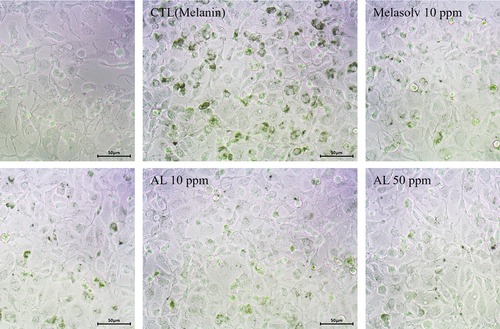
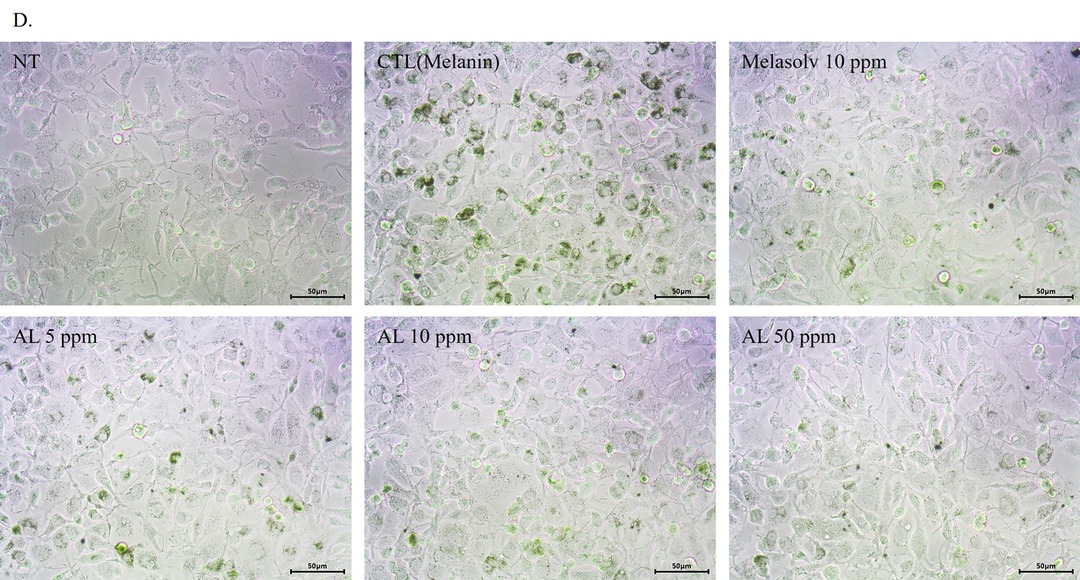
Among the thousands of proprietary microbiome strains held by the Amorepacific R&I Center, the researchers focused on the metabolic characteristics of Bacillus velezensis AmoreLumina, which demonstrates outstanding biocompatibility and produces high concentrations of moranoline, a naturally occurring functional compound. The study found that the moranoline-rich AmoreLumina culture extract suppressed the expression of melanin-producing enzymes elevated by acne-related stimuli, while activating autophagy and lysosomal degradation pathways in macrophages that had already absorbed melanin, causing it to accumulate in the skin.
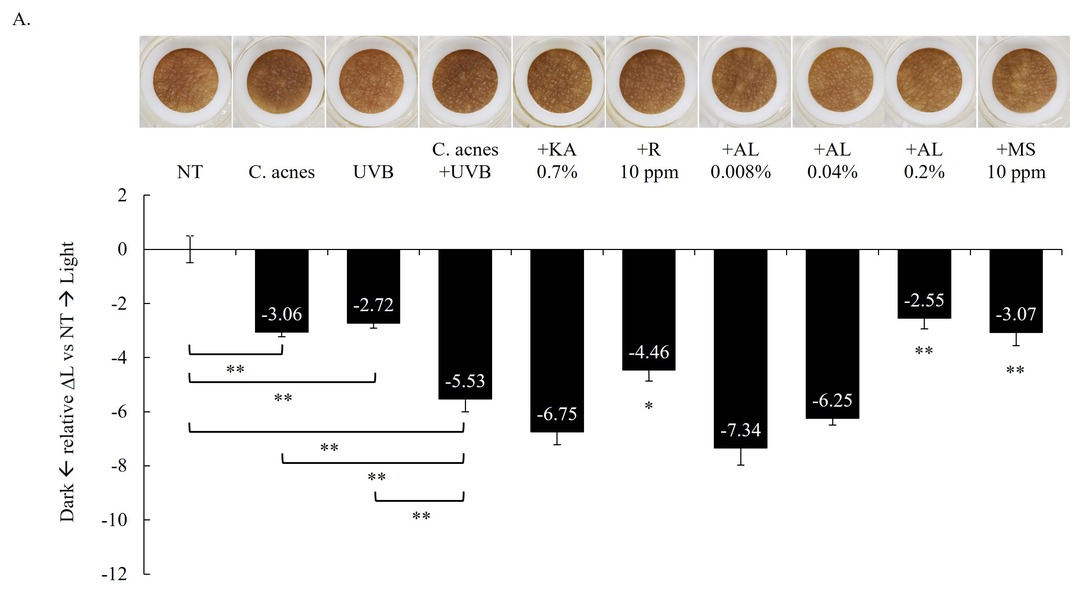
These findings demonstrate the extract's potential to improve hyperpigmentation through a dual-action mechanism that simultaneously inhibits new pigment formation and promotes the breakdown of residual pigment. Furthermore, in an ex vivo study using human skin tissue, pigmentation induced by acne-causing bacteria and ultraviolet radiation was also significantly reduced following treatment with AmoreLumina culture extract.
Byung-Fhy Suh, CTO of the Amorepacific R&I Center, noted, "At Amorepacific, our research into skin concerns begins not simply with improving visible symptoms, but with understanding their causes and the processes through which the skin changes. This study is meaningful because it expands the scope of skin recovery research by looking beyond post-acne hyperpigmentation solely as a problem of melanin production to examine how existing melanin remains within the skin and causes discoloration to persist." He added, "This research is also aligned with Amorepacific's work on holistic longevity solutions designed to help the skin return to a healthy state and maintain it over time. We will continue to deepen our understanding of how the skin changes and recovers, and introduce new beauty solutions that also support the ongoing maintenance of healthy skin."
-
Like
0 -
Recommend
0 -
Thumbs up
0 -
Supporting
0 -
Want follow-up article
0